

Table of Contents
- What You'll Need to Evaluate Canvas Print Quality
- Examine Canvas Material Composition
- Assess Canvas Print Resolution Requirements
- Evaluate Ink Quality and Type
- Inspect Stretcher Bars and Frame Construction
- How to Spot Low Quality Canvas Prints
- Verify Archival Canvas Print Standards
- Common Mistakes to Avoid When Evaluating Canvas Prints
Last Updated: August 25, 2026
What You'll Need to Evaluate Canvas Print Quality
Before diving into the technical details, gather a few essentials to properly assess canvas print quality. You'll want natural lighting, ideally daylight from a window, to see true colors without artificial tints. A magnifying glass or loupe helps you inspect the weave pattern and ink application up close. If you're ordering online, request high-resolution sample images or order a small test print first. A color reference tool (even a simple white card) can help you spot color shifts. Most importantly, know what you're looking for: the canvas material composition, ink type, print resolution, and construction quality all determine whether a print lasts decades or fades within years.
At African American Expressions, we understand that quality canvas art celebrating Black heritage deserves the same rigorous evaluation as any fine art investment. Our stretched canvas prints are professionally hand-stretched on 1-inch kiln-dried stretcher bars, but knowing how to evaluate any canvas print quality ensures you're making an informed choice whether you're purchasing from us or anywhere else.

Examine Canvas Material Composition
Canvas material is the foundation of print longevity. The two primary options are cotton and polyester blends, each with distinct durability profiles. Cotton canvas absorbs ink more evenly and produces richer colors, but it's more prone to moisture damage and mildew if not stored properly. Polyester blends resist moisture and environmental stress better, making them ideal for humid climates or high-traffic spaces. Most quality canvas prints use a cotton-polyester blend to balance color depth with durability.
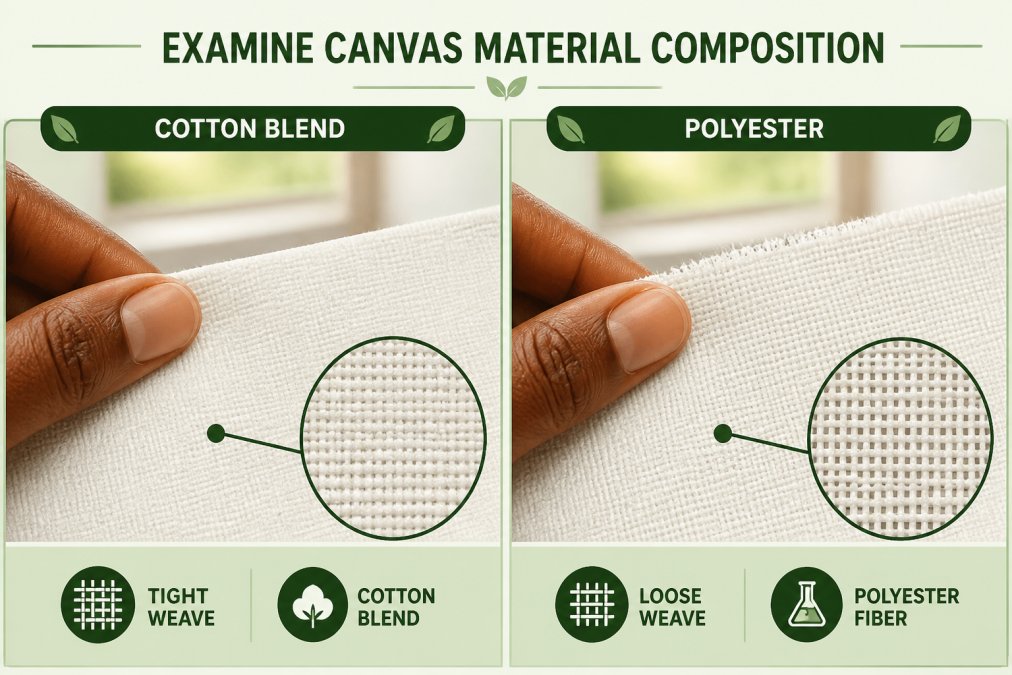
The weave pattern matters more than most people realize. A tight, consistent weave holds ink better and resists cracking over time. Run your fingers across the canvas surface: quality prints feel smooth with a slight texture, not rough or inconsistent. Loose weaves allow ink to sit on the surface rather than absorb properly, leading to faster fading and potential ink flaking.
Understanding GSM and Canvas Weight
GSM (Grams per Square Meter) is the standard measurement for canvas weight and density. Higher GSM indicates a thicker, more durable canvas. Quality canvas prints typically range from 280-400 GSM. Prints below 200 GSM are considered lightweight and budget-grade; they're more prone to wrinkling and fading. Premium archival canvas often exceeds 350 GSM, providing superior durability and a professional appearance.
Canvas weight directly correlates with longevity. A 350 GSM canvas print lasts significantly longer than a 180 GSM print under identical conditions. When evaluating canvas print quality, always ask the GSM specification. If a vendor won't provide it, that's a red flag, they're likely using cheaper, lighter-weight material.
Assess Canvas Print Resolution Requirements
Print resolution, measured in DPI (dots per inch), determines whether your image appears crisp or pixelated. Professional canvas prints require a minimum of 150 DPI for acceptable quality, but 300 DPI is the industry standard for fine art reproduction. Below 150 DPI, individual pixels become visible, especially on larger prints or when viewed up close.
Resolution requirements scale with print size. A 12x16 inch print can look acceptable at 200 DPI, but the same resolution on a 24x36 inch print will show visible pixelation. This is why evaluating canvas print quality requires checking both the DPI and the intended display size together. Request the original file resolution from the printer before ordering; this single detail prevents costly mistakes.
According to Canvas Print & Wall Art Statistics: Market Data, Trends and Consumer Behaviour, online color accuracy remains a major challenge in the industry. Most online canvas prints show inaccurate colors due to uncalibrated printing processes. Monitors display color using RGB light, while canvas prints use CMYK pigment, and these color spaces don't map perfectly. This is why high-resolution source files matter, better source material compensates for some color shift during the printing process.
For heritage and culturally inspired artwork, resolution becomes even more critical. Fine details in portraiture, intricate patterns, and subtle color gradations all depend on adequate DPI. When evaluating African American Expressions canvas prints or any culturally significant artwork, verify the source file resolution is 300 DPI minimum.
Evaluate Ink Quality and Type
Ink type is the single biggest factor determining whether a canvas print lasts 5 years or 75+ years. Two primary categories exist: pigment-based inks and dye-based inks.
Pigment-based inks are suspended particles that sit on or slightly within the canvas fibers. They're significantly more lightfast, resistant to fading from UV exposure, and archival-quality pigment inks can last 75+ years without noticeable fading under normal indoor conditions. Pigment inks produce slightly more muted colors but with exceptional stability. They're the standard for fine art reproduction and museum-quality prints.
Dye-based inks are liquid dyes dissolved in water. They produce brighter, more vibrant colors initially, but they fade much faster. Cheap canvas prints made with dye-based inks show visible fading within 2-10 years, especially in sunlight. According to How Long Do Canvas Prints Last? Lifespan, Fading & Care Explained - Rossetti Art, high-quality canvas prints made with archival pigment inks last 75+ years without noticeable fading, while cheap dye-based prints fade noticeably within 2-10 years.
When evaluating canvas print quality, always ask which ink type the printer uses. Reputable vendors specify this upfront. If they won't tell you, assume dye-based, they're cheaper to produce and the vendor is likely hiding that fact.
UV-protective coatings add another layer of protection. A matte or satin protective finish coating reduces UV damage and extends print life by 10-15 years. Premium canvas prints include this coating as standard; budget prints skip it to save costs.
Inspect Stretcher Bars and Frame Construction
The stretcher bars, the wooden frame holding the canvas taut, determine whether your print remains flat and wrinkle-free for decades or sags and warps within months. Quality stretcher bars are made from kiln-dried wood, which has been heated to remove moisture and prevent warping. Pine and fir are common materials; they're affordable and stable when properly kiln-dried.
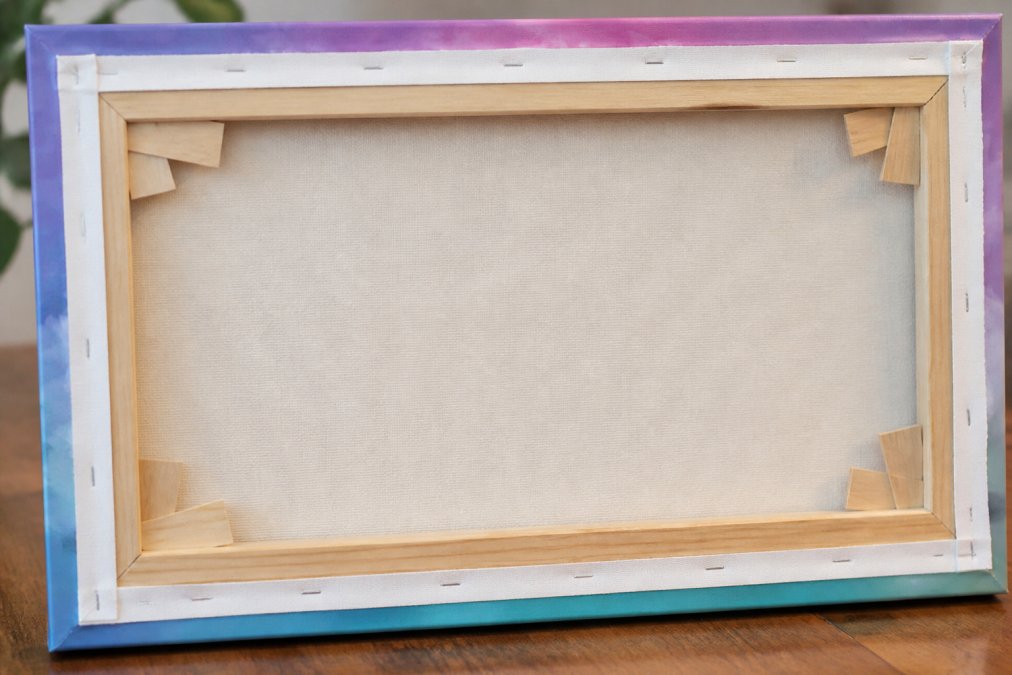
Look for these specific construction details:
- Corner wedges: Quality prints use wooden corner wedges (also called keys) that can be tapped into slots to increase tension if the canvas ever sags. Budget prints skip this feature entirely.
- Stretcher bar thickness: Premium prints use 1.5-2 inch thick bars; budget prints use 0.75-1 inch bars. Thicker bars resist warping and provide better support for larger prints.
- Joint construction: Examine the corners where bars meet. Quality construction shows tight, clean joints with no gaps. Loose joints indicate the print will sag over time.
- Canvas tension: Run your hand across the back of the canvas. It should feel evenly tight with no visible slack or wrinkles. Uneven tension causes the canvas to warp.
Professionally hand-stretched canvas, like African American Expressions' prints on 1-inch kiln-dried stretcher bars, ensures consistent tension and longevity. Machine-stretched prints often have uneven tension and fail prematurely.
How to Spot Low Quality Canvas Prints
Low-quality canvas prints share common telltale signs. Learning to recognize these prevents costly mistakes.
Color inaccuracy and banding: The print looks dull or washed out compared to the original image. You see visible color bands or gradients that shouldn't exist. This indicates dye-based inks, low print resolution, or both.
Visible pixelation: When viewed up close, you see individual pixels or a fuzzy, blurry appearance. This means the print resolution was below 150 DPI, insufficient for canvas reproduction.
Uneven ink coverage: Some areas appear darker or lighter than they should. The ink didn't transfer evenly to the canvas, indicating a problem with either the printing process or the ink type.
Wrinkles or sagging canvas: The canvas isn't evenly taut. You see wrinkles, ripples, or areas where the canvas hangs loose from the stretcher bars. This indicates poor stretching or inadequate stretcher bar construction.
Fraying or loose edges: The canvas edges fray or pull away from the stretcher bars. This suggests the canvas wasn't sealed properly or the stretching was done carelessly.
Become a part of our AAE family and start fundraising today! →
Strong chemical smell: A persistent chemical odor indicates low-quality inks or solvents. Quality prints smell neutral or slightly like canvas and wood.
Visible brush strokes or texture inconsistency: For photographic prints, you shouldn't see obvious brush strokes or texture variations. These indicate the image was upscaled or heavily processed before printing.
Verify Archival Canvas Print Standards
Archival quality means the print is designed to last 75+ years without significant fading or deterioration. This requires specific material and process standards.
True archival canvas prints meet these criteria:
- Pigment-based inks: Always. Dye-based inks cannot be archival.
- Acid-free canvas: The canvas has been treated to remove acids that cause yellowing and brittleness over time.
- Optical brighteners: These compounds enhance white areas and improve color vibrancy without compromising longevity. Quality prints use them; budget prints often skip them.
- UV-protective coating: A protective finish that reduces UV damage.
- Kiln-dried stretcher bars: Prevents warping and ensures long-term stability.
According to Wilhelm Imaging Research, high-quality pigment canvas with protective coatings lasts 25-40 years in controlled conditions, while ChromaLuxe metal prints last 65+ years. Canvas prints with dye-based inks show visible fading within 5-10 years without UV-protective lamination.
When evaluating canvas print quality, ask the vendor if their prints meet archival standards. Reputable vendors proudly advertise this; budget vendors avoid the topic entirely.
Common Mistakes to Avoid When Evaluating Canvas Prints
Most buyers make predictable errors when assessing canvas print quality. Avoiding these saves money and disappointment.
Mistake 1: Judging quality only from online images. Online photos don't reveal color accuracy, ink type, or construction quality. Always request physical samples or high-resolution close-up photos showing the canvas texture and back construction.
Mistake 2: Assuming higher price always means better quality. Some vendors charge premium prices for marketing rather than superior materials. Conversely, some budget vendors produce acceptable prints for casual display. Match your budget to your expectations: casual décor tolerates lower quality; valuable artwork demands archival standards.
Mistake 3: Ignoring GSM and DPI specifications. These two numbers predict longevity and appearance more accurately than vendor claims or reviews. If a vendor won't provide them, move on.
Mistake 4: Choosing based on color alone. Vibrant colors from dye-based inks fade quickly. Slightly more muted pigment-based colors remain stable for decades. Prioritize longevity over initial color intensity.
Mistake 5: Skipping the corner wedge inspection. Corner wedges allow you to re-tension the canvas if it ever sags. Their absence indicates a print designed for short-term use only.
Mistake 6: Not considering your display environment. A print in a shaded hallway lasts significantly longer than one in direct sunlight. Match the ink type and coating to your lighting conditions.
Mistake 7: Overlooking the stretcher bar thickness. Thin bars (0.75 inch) warp more easily, especially on large prints. Thicker bars (1.5-2 inch) provide better long-term support.
Evaluating canvas print quality protects your investment and ensures you're supporting vendors who prioritize craftsmanship. When you choose African American Expressions for your canvas art needs, you're selecting prints professionally hand-stretched on kiln-dried stretcher bars with archival-quality materials designed to celebrate Black heritage for decades. Our commitment to quality means your culturally inspired artwork remains vibrant and beautiful long after purchase. Start your search with a test print from African American Expressions and experience the difference that archival standards and expert stretching make.
=== FAQ ANSWERS (audit these too, same rules) ===
[1] Q: How can you tell if a canvas print is high quality? A: High-quality canvas prints show sharp detail, consistent color accuracy, and use archival pigment-based inks that resist fading for 75+ years. Check the stretcher bars for kiln-dried wood construction, inspect the canvas weave for uniformity, and verify the print resolution meets at least 150 DPI. Premium prints also feature protective coatings and acid-free materials. African American Expressions' stretched canvas prints, like the Praise Dancer Group canvas, use professional hand-stretching on sturdy 1-inch stretcher bars and archival-quality materials designed for longevity.

[2] Q: What is the difference between archival and standard canvas prints? A: Archival canvas prints use pigment-based inks and acid-free materials, lasting 75+ years without noticeable fading under normal indoor conditions. Standard or budget canvas prints often use dye-based inks, which show visible fading within 2-10 years, especially in sunlight. Archival prints cost more upfront but provide significantly better color longevity and protection for culturally meaningful artwork. When investing in heritage-inspired decor, archival standards ensure your meaningful pieces remain vibrant for decades.
[3] Q: What is a good resolution for canvas printing? A: Canvas prints require a minimum of 150 DPI (dots per inch) for acceptable quality, though 300 DPI is the professional standard for sharp, detailed prints. Lower resolutions (72-100 DPI) result in visible pixelation and blurred details, especially noticeable on larger prints. Before ordering, check your digital file's resolution and dimensions, monitors display color using RGB while canvas uses CMYK, which can affect color accuracy. Ensure your image file has adequate resolution before submitting for printing to achieve the best results.
[4] Q: Does canvas weight affect the quality of the print? A: Yes, canvas weight measured in GSM (grams per square meter) directly impacts durability and appearance. Higher GSM canvases (typically 400+ GSM) are thicker, more rigid, and resist sagging better than lightweight options. Heavier canvas also provides superior texture and a more professional appearance. Quality canvas prints use medium to heavy-weight cotton blends or polyester with consistent GSM ratings. Lighter canvas may feel flimsy and shows wrinkles more easily, indicating lower overall quality and shorter lifespan.
Frequently Asked Questions
Q: How can you tell if a canvas print is high quality?
A: High-quality canvas prints show sharp detail, consistent color accuracy, and use archival pigment-based inks that resist fading for 75+ years. Check the stretcher bars for kiln-dried wood construction, inspect the canvas weave for uniformity, and verify the print resolution meets at least 150 DPI. Premium prints also feature protective coatings and acid-free materials. African American Expressions' stretched canvas prints, like the Praise Dancer Group canvas, use professional hand-stretching on sturdy 1-inch stretcher bars and archival-quality materials designed for longevity.
Q: What is the difference between archival and standard canvas prints?
A: Archival canvas prints use pigment-based inks and acid-free materials, lasting 75+ years without noticeable fading under normal indoor conditions. Standard or budget canvas prints often use dye-based inks, which show visible fading within 2-10 years, especially in sunlight. Archival prints cost more upfront but provide significantly better color longevity and protection for culturally meaningful artwork. When investing in heritage-inspired decor, archival standards ensure your meaningful pieces remain vibrant for decades.
Q: What is a good resolution for canvas printing?
A: Canvas prints require a minimum of 150 DPI (dots per inch) for acceptable quality, though 300 DPI is the professional standard for sharp, detailed prints. Lower resolutions (72-100 DPI) result in visible pixelation and blurred details, especially noticeable on larger prints. Before ordering, check your digital file's resolution and dimensions, monitors display color using RGB while canvas uses CMYK, which can affect color accuracy. Ensure your image file has adequate resolution before submitting for printing to achieve the best results.
Q: Does canvas weight affect the quality of the print?
A: Yes, canvas weight measured in GSM (grams per square meter) directly impacts durability and appearance. Higher GSM canvases (typically 400+ GSM) are thicker, more rigid, and resist sagging better than lightweight options. Heavier canvas also provides superior texture and a more professional appearance. Quality canvas prints use medium to heavy-weight cotton blends or polyester with consistent GSM ratings. Lighter canvas may feel flimsy and shows wrinkles more easily, indicating lower overall quality and shorter lifespan.
This article was written using GrandRanker