

Table of Contents
- Why Black-Owned Business Alternatives Matter in 2026
- Black History Month Gift Ideas That Support Economic Empowerment
- How to Support Black-Owned Businesses Through Conscious Shopping
- Black-Owned Online Marketplaces and Where to Find Authentic Alternatives
- Fundraising Opportunities With Black-Owned Businesses
- Vetting Criteria: How to Identify Genuine Black-Owned Alternatives
- Frequently Asked Questions
Last Updated: August 31, 2026
Why Black-Owned Business Alternatives Matter in 2026
Supporting black-owned business alternatives has shifted from a feel-good choice to an economic imperative. Over 3 million Black-owned businesses now operate across the country, representing roughly 10 percent of all U.S. businesses and generating over $200 billion in annual revenue (Key Black-Owned Business Statistics). Yet the disparity in access to capital remains stark: approximately 39% of Black-owned businesses that apply for financing receive a denial, compared to 18% of white-owned businesses.
This gap makes conscious consumer choices matter more than ever. Every dollar you spend with a Black-owned business strengthens economic empowerment and builds generational wealth within communities. Between 2017 and 2023, the number of Black-owned employer businesses grew by 62%, adding nearly 77,000 firms. When you choose black-owned business alternatives, you're participating in economic equity.
Black History Month Gift Ideas That Support Economic Empowerment
Black History Month offers a natural moment to align your gift-giving with your values. The best black owned business alternatives combine meaningful cultural content with exceptional quality.
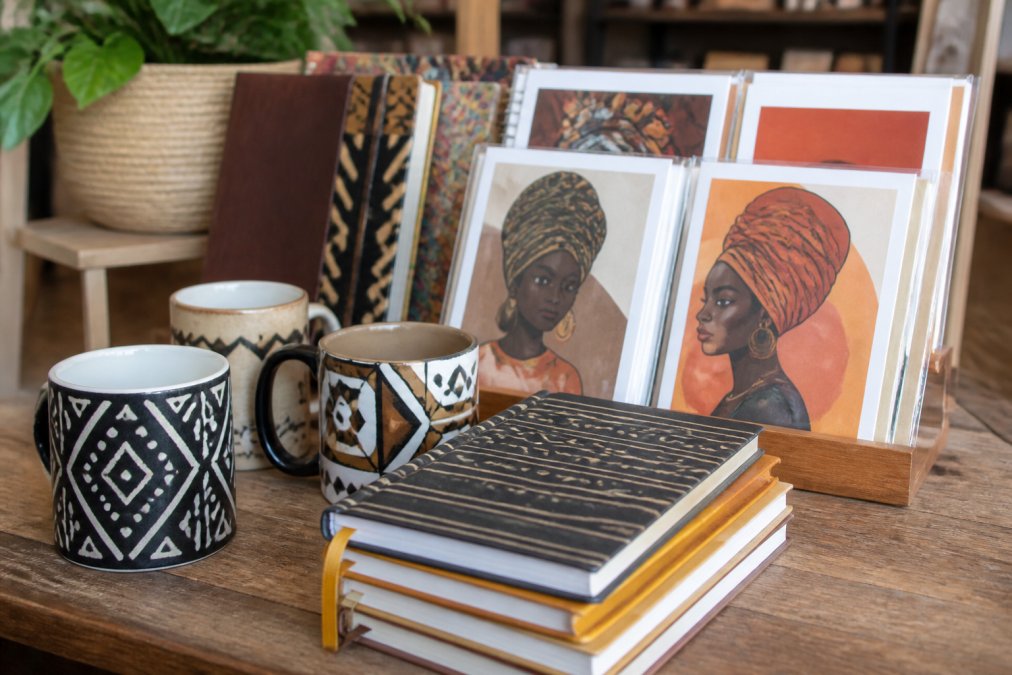
Start with stationery that carries weight. The ALL OCCASION ASSORTMENT BOX 13 - MAYA ANGELOU ($18.00) features 18 inspirational greeting cards with wisdom from one of history's most celebrated voices. Each card includes encouragement, birthday, romance, graduation, friendship, Mother's Day, thank you, and sympathy options.

Stationery and Journals
Journals serve dual purposes: they're functional tools and keepsakes. The BLACK HISTORY WIRED JOURNAL ($13.00) features artwork by Thomas Blackshear depicting four prominent African American leaders: Barack Obama, Frederick Douglass, Mary McLeod Bethune, and Sojourner Truth.
For deeper connection, individual journals offer specific stories. The HARRIET TUBMAN JOURNAL ($13.00) showcases DD Ike's relief-style artistry, while the FREDERICK DOUGLASS WIRED JOURNAL ($13.00) captures Douglass before "The North Star," the newspaper he published. The SOJOURNER TRUTH WIRED JOURNAL ($13.00) depicts Truth holding a flyer for one of her famous lectures. Each design tells a specific story about resistance, resilience, and intellectual leadership.
Home and Kitchen Essentials
The AND STILL I RISE MAYA ANGELOU MUG ($12.00) transforms morning coffee into a daily affirmation. This 15 oz. ceramic mug features Keith Conner's artistic portrayal of Maya Angelou with a two-tone design. Both dishwasher and microwave safe, it bridges aesthetics and practicality.
The MAYA ANGELOU PHENOMENAL WOMAN SHOWER CURTAIN ($32.00) brings inspirational messaging into the bathroom. This 71" x 71" polyester curtain features Dr. Angelou's words against a clean white background with a vibrant silhouette of a Black woman with natural hair. Machine washable with rustproof grommets, it's ready to hang immediately.
The THE OBAMAS THROW ($50.00) serves as both functional warmth and cultural statement. This 4' x 5' 100% cotton throw blanket celebrates President Barack Obama and First Lady Michelle Obama's lasting legacy.
Puzzles and Collectibles
The BLACK HISTORY PUZZLE ($18.00) titled "From Slavery to the White House" offers 500 pieces of family engagement. The 18" x 24" finished puzzle features brilliant imagery that comes to life piece by piece, prompting reflection on African American history.
The 2026-2027 BLACK HISTORY checkbook planner ($5.00) fits in your pocket at 3.5" x 6.5" with 56 pages covering the full year. Monthly layout with Black History themes keeps financial management aligned with cultural celebration.
How to Support Black-Owned Businesses Through Conscious Shopping
Conscious consumerism requires more than good intentions. According to Nielsen research, 67% of Black consumers agree they pay more attention to brands that reflect their culture compared to 46% overall (nielsen.com). Yet 70% of Black consumers report they'll stop buying from brands perceived as devaluing their community.
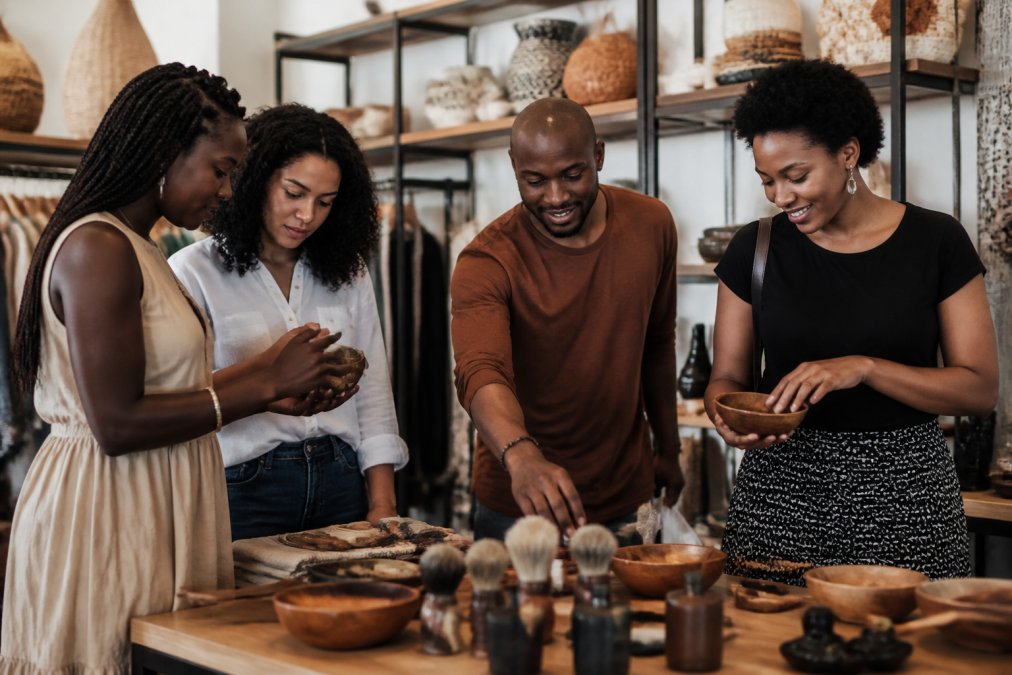
Your purchasing power carries real consequences. When you choose black-owned business alternatives, you signal market demand for culturally authentic products. Start by understanding the difference between performative support and structural support. Real support means building a primary shopping habit around Black-owned alternatives rather than treating them as occasional additions.
Digital transformation has made this easier. Black small businesses invested an average of $18.3K in new technology in the past year, with 76% of Black business owners saying technology contributes significantly to their success (Thriving in 2026: How Black-Owned Businesses Can Drive Growth). This investment means better websites, faster shipping, and easier checkout experiences.
Look for transparency in sourcing and supply chains. The best black owned business alternatives clearly explain their ingredients, manufacturing processes, and labor practices. Brands confident in their ethics display them prominently.
Black-Owned Online Marketplaces and Where to Find Authentic Alternatives
The digital marketplace has democratized access to Black-owned business alternatives. Startups owned by people of color were 20 percentage points less likely than white-owned startups to be fully funded by lenders, yet many have bootstrapped their way to significant scale through direct-to-consumer channels.
African American Expressions operates as a curated digital destination specifically designed to solve the discovery problem. Rather than wading through generic marketplaces, our 34-year track record means every product reflects both cultural authenticity and quality standards. We've built relationships with artisans, designers, and manufacturers who understand that "Black-owned" is a commitment to community.
The marketplace model matters. When you shop through platforms like Amazon, the algorithm optimizes for volume and profit margin, not cultural authenticity or community impact. Specialized marketplaces align incentives: they succeed when Black-owned businesses succeed.
Target's commitment to spend over $2 billion with Black-owned businesses by the end of 2025 signals mainstream recognition of this market opportunity. But corporate partnerships work best when paired with direct consumer relationships. The most sustainable support flows through channels where Black entrepreneurs retain control over pricing, messaging, and customer relationships.
Fundraising Opportunities With Black-Owned Businesses
Schools, churches, and community organizations generate millions in annual revenue through fundraising partnerships with Black-owned businesses. The structure matters enormously.
African American Expressions offers a fundraising program where organizations earn 40% on every sale, a commission structure designed to make fundraising sustainable. A school that sells $10,000 in products generates $4,000 in net revenue. Scale that across a year with multiple campaigns, back-to-school, holiday gift guides, graduation gifts, thank you items for donors, and the cumulative impact becomes significant.
Become a part of our AAE family and start fundraising today! →
What distinguishes effective fundraising partnerships is product relevance. People actually need greeting cards, journals, home decor, and gifts. The cultural authenticity is integral to why people buy, not a selling point layered on mediocre products.
The best fundraising programs provide organizational support beyond product access: training on marketing campaigns, templates for emails and social posts, and guidance on pricing and inventory management.
Vetting Criteria: How to Identify Genuine Black-Owned Alternatives
Not every product marketed as "Black-owned" meets that standard. Vetting requires asking specific questions.
First, verify ownership. Genuine Black-owned businesses have Black ownership and decision-making control. Check the founder's story, leadership team composition, and company history. If the website obscures who actually owns the business, that's a red flag.
Second, examine the supply chain. Where are products manufactured? Are profits captured locally or extracted to third-party logistics companies? The most ethical black-owned business alternatives keep production and fulfillment close to the community.
Third, assess cultural authenticity. Do designs come from artists in the communities they represent? Look for artist attribution and founder narratives that connect to community.
Fourth, check the margins. Pricing tells a story. Products priced significantly below market rates often indicate unsustainable labor practices. Conversely, unjustifiably expensive prices suggest exploitation of cultural cachet.
| Vetting Criteria | What to Look For | Red Flag |
|---|---|---|
| Ownership | Black founder/owner clearly identified | Ownership structure hidden or unclear |
| Supply Chain | Transparent manufacturing and fulfillment | Opaque sourcing or third-party extraction |
| Cultural Authenticity | Artist attribution, community input, founder story | Generic "diversity" aesthetics, no artist credit |
| Pricing | Fair to both business and consumer | Suspiciously cheap or unjustifiably expensive |
| Customer Service | Responsive, knowledgeable support | Slow responses or scripted, generic replies |
| Product Quality | Durable materials, attention to detail | Flimsy construction, poor finishes |
Fifth, evaluate customer service responsiveness. Do answers demonstrate actual product knowledge? Businesses genuinely committed to their community invest in customer relationships.
Supporting black-owned business alternatives strengthens economic empowerment while connecting you to products with genuine cultural resonance. African American Expressions has spent 34 years perfecting this balance, curating products that celebrate Black heritage while maintaining uncompromising quality standards. Our fundraising program enables schools and churches to generate meaningful revenue at 40% commission rates.
Become part of our African American Expressions family and start fundraising today. Explore our collection of culturally inspired gifts, stationery, and home decor that deliver both meaning and impact.
=== FAQ ANSWERS (audit these too, same rules) ===
[1] Q: What makes Black-owned business alternatives different from mainstream retailers? A: Black-owned business alternatives prioritize cultural authenticity, founder stories, and community reinvestment. Over 3 million Black-owned businesses generate more than $200 billion in annual revenue, yet Black entrepreneurs face a 39% loan denial rate compared to 18% for white-owned businesses. By choosing these alternatives, you directly support economic empowerment and help close the funding gap while accessing products designed with your community in mind.
[2] Q: How can I find reliable Black-owned online marketplaces for gifts and home decor? A: Look for Black-owned online marketplaces that provide founder transparency, product sourcing details, and community impact metrics. Platforms like African American Expressions offer curated collections with 34 years of proven community support. Verify authenticity by checking business ownership documentation, reading customer testimonials, and confirming that a significant portion of profits reinvests into Black communities. Many offer subscription services or fundraising programs that deepen community engagement.
[3] Q: What are some meaningful Black history month gift ideas that support Black-owned businesses? A: Consider culturally inspired gifts like journals featuring Black leaders (Frederick Douglass, Harriet Tubman, or Sojourner Truth), greeting card assortments with wisdom from icons like Maya Angelou, or home décor such as throw blankets and shower curtains. African American Expressions offers items starting at $5, including the 2026-2027 Black History pocket planner and the Maya Angelou greeting card assortment ($18). These gifts celebrate heritage while supporting Black-owned enterprises committed to economic equity.

[4] Q: How do Black-owned business fundraising programs work, and what makes them valuable? A: Many Black-owned businesses offer fundraising programs where schools, churches, and organizations earn a percentage of every sale. African American Expressions provides a 40% commission structure, allowing organizations to generate significant funds while selling products their communities genuinely want. Between 2017 and 2023, Black-owned employer businesses grew by 62%, demonstrating the strength of this ecosystem. Fundraising through these programs creates dual impact: organizations meet revenue goals while strengthening the Black business economy.
[5] Q: Why is shopping from Black-owned businesses important for the broader economy? A: Black Americans represent 14.4% of the population but only 3.4% of employer business owners, revealing a significant economic disparity. Supporting Black-owned alternatives helps close this gap. Research shows 67% of Black consumers pay closer attention to brands reflecting their culture, and 70% will stop buying from brands perceived as devaluing their community. When you choose Black-owned businesses, you're voting with your wallet for inclusive economy, supply chain transparency, and sustainable entrepreneurship that benefits entire communities.
Frequently Asked Questions
Q: What makes Black-owned business alternatives different from mainstream retailers?
A: Black-owned business alternatives prioritize cultural authenticity, founder stories, and community reinvestment. Over 3 million Black-owned businesses generate more than $200 billion in annual revenue, yet Black entrepreneurs face a 39% loan denial rate compared to 18% for white-owned businesses. By choosing these alternatives, you directly support economic empowerment and help close the funding gap while accessing products designed with your community in mind.
Q: How can I find reliable Black-owned online marketplaces for gifts and home decor?
A: Look for Black-owned online marketplaces that provide founder transparency, product sourcing details, and community impact metrics. Platforms like African American Expressions offer curated collections with 34 years of proven community support. Verify authenticity by checking business ownership documentation, reading customer testimonials, and confirming that a significant portion of profits reinvests into Black communities. Many offer subscription services or fundraising programs that deepen community engagement.
Q: What are some meaningful Black history month gift ideas that support Black-owned businesses?
A: Consider culturally inspired gifts like journals featuring Black leaders (Frederick Douglass, Harriet Tubman, or Sojourner Truth), greeting card assortments with wisdom from icons like Maya Angelou, or home décor such as throw blankets and shower curtains. African American Expressions offers items starting at $5, including the 2026-2027 Black History pocket planner and the Maya Angelou greeting card assortment ($18). These gifts celebrate heritage while supporting Black-owned enterprises committed to economic equity.
Q: How do Black-owned business fundraising programs work, and what makes them valuable?
A: Many Black-owned businesses offer fundraising programs where schools, churches, and organizations earn a percentage of every sale. African American Expressions provides a 40% commission structure, allowing organizations to generate significant funds while selling products their communities genuinely want. Between 2017 and 2023, Black-owned employer businesses grew by 62%, demonstrating the strength of this ecosystem. Fundraising through these programs creates dual impact: organizations meet revenue goals while strengthening the Black business economy.
Q: Why is shopping from Black-owned businesses important for the broader economy?
A: Black Americans represent 14.4% of the population but only 3.4% of employer business owners, revealing a significant economic disparity. Supporting Black-owned alternatives helps close this gap. Research shows 67% of Black consumers pay closer attention to brands reflecting their culture, and 70% will stop buying from brands perceived as devaluing their community. When you choose Black-owned businesses, you're voting with your wallet for inclusive economy, supply chain transparency, and sustainable entrepreneurship that benefits entire communities.
This article was written using GrandRanker