

Table of Contents
- Why Black-Owned Business Fundraising Ideas Matter for Community Growth
- How to Support Black-Owned Businesses Through Fundraising Programs
- Culturally Inspired Products: Black-Owned Fundraising Products That Sell
- Maximizing Fundraising Profit Margins for Schools and Organizations
- Building Community Momentum: Event-Based Fundraising Strategies
- Crowdfunding and Digital Platforms for Black Entrepreneurs
- Grant Opportunities and Institutional Support for Black-Owned Ventures
- Post-Fundraising Stewardship: Sustaining Donor and Community Relationships
Last Updated: August 21, 2026
Why Black-Owned Business Fundraising Ideas Matter for Community Growth
Over 194,000 Black-owned businesses operated in the United States in 2022, yet these businesses face persistent barriers to capital. Black entrepreneurs were nearly half as likely to receive full approval for financing compared to their white counterparts, 32% versus 56% for white-owned businesses, according to LenderAI Insights and Federal Reserve data. This funding gap makes community-driven fundraising strategies essential.
Black-owned business fundraising creates pathways to economic empowerment that bypass traditional lending gatekeepers. When schools, churches, and community organizations raise funds through Black-owned businesses, they simultaneously generate revenue for their missions and strengthen neighborhood economies. At African American Expressions, we've spent over 34 years helping organizations unlock this potential. Our fundraising program enables schools, churches, and community groups to earn 40% profit on every sale of culturally inspired gifts, stationery, and home decor. Below, we'll walk you through seven proven strategies that turn community support into sustainable funding.
How to Support Black-Owned Businesses Through Fundraising Programs
Supporting Black-owned businesses through fundraising programs creates a win-win dynamic. Your organization raises capital while directly investing in Black entrepreneurship and economic development. Select a partner business, recruit volunteers to sell products, and split the proceeds according to an agreed profit margin.
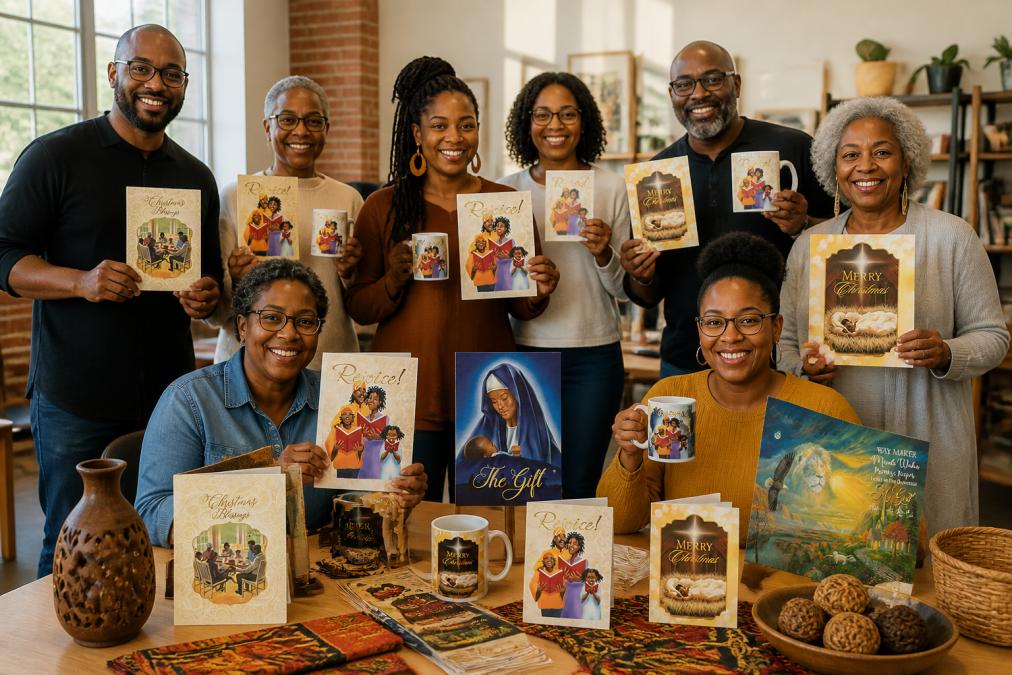
The best fundraising programs pair organizations with vendors that align with their mission and audience. When a church fundraises through products celebrating Black heritage, supporters feel emotionally invested in both the organization's cause and the cultural significance of what they're selling. This alignment drives higher sales conversion rates than generic product fundraising.
African American Expressions has generated millions of dollars for organizations through this model. Our fundraising program works because we offer products people actually want to buy. Greeting card assortments like the ALL OCCASION ASSORTMENT BOX 13 - MAYA ANGELOU ($18.00) sell because they celebrate Black excellence and resonate with conscious consumers who prioritize supporting Black-owned businesses.

When launching a fundraising program with a Black-owned partner, set clear expectations upfront: profit margins, sales timelines, volunteer support structures, and inventory management. Organizations that treat fundraising as a partnership rather than a transaction see significantly better results.
Culturally Inspired Products: Black-Owned Fundraising Products That Sell
The best fundraising products aren't generic commodities, they're items people seek out specifically because of their cultural significance and quality. Culturally inspired products tap into something deeper than transactional purchasing, allowing supporters to celebrate Black heritage, express identity, and invest in Black economic power simultaneously.
Products that sell consistently share three characteristics: cultural authenticity, practical utility, and premium quality. A greeting card assortment featuring Maya Angelou's wisdom or celebrating phenomenal women isn't just stationery, it's a statement. This distinction transforms fundraising from a chore into an opportunity for supporters to align their purchases with their values.
African American Expressions specializes in these products. Our catalog includes greeting card assortments, canvas art, calendars, and home decor items that celebrate Black culture without resorting to stereotypes. The ASSORTMENT A202 ($13.00) Christmas greeting card set offers foil-stamped designs that feel premium while remaining accessible for budget-conscious fundraisers.

Product diversity matters too. Offering multiple price points and product categories allows supporters to choose based on their budget and needs. Offering range increases total revenue because you capture more of the market. According to Brookings Institution research on Black business funding, Black business owners increasingly rely on community-based revenue streams because traditional financing remains inaccessible.
Maximizing Fundraising Profit Margins for Schools and Organizations
Profit margin is the difference between what your organization pays for products and what you sell them for. A 40% profit margin means that on an $18 product, your organization keeps $7.20 after the vendor's cut. This math compounds quickly across hundreds of sales.
African American Expressions stands apart by offering 40% profit on every sale with no tiered pricing or volume minimums that reduce margin as you sell more.
To maximize margins, focus on three levers: product selection, pricing strategy, and sales volume. First, choose products with natural appeal to your supporter base. Second, price products at what the market will bear; supporters who value cultural authenticity often expect to pay more. Third, drive volume through strategic marketing and community engagement.
| Product Type | Retail Price | Organization Profit (40%) | Volume Target | Revenue Goal |
|---|---|---|---|---|
| Greeting Card Assortments | $13-18 | $5.20-7.20 | 200+ units | $1,040-1,440 |
| Canvas Art & Home Decor | $25-50 | $10-20 | 50-100 units | $500-2,000 |
| Calendar Collections | $15-20 | $6-8 | 150+ units | $900-1,200 |
| Bulk Holiday Assortments | $13 | $5.20 | 300+ units | $1,560+ |
Organizations that run multiple campaigns see margins compound over time. A church that runs a spring fundraiser followed by a Black History Month campaign followed by a holiday push generates significantly more revenue than one that fundraises once annually. Don't underestimate repeat customers; supporters who purchase once are likely to purchase again if the experience was positive.
Building Community Momentum: Event-Based Fundraising Strategies
Event-based fundraising transforms a transactional sales model into a community experience. Instead of asking supporters to buy products, you're inviting them to participate in a celebration that happens to involve purchasing culturally inspired goods.
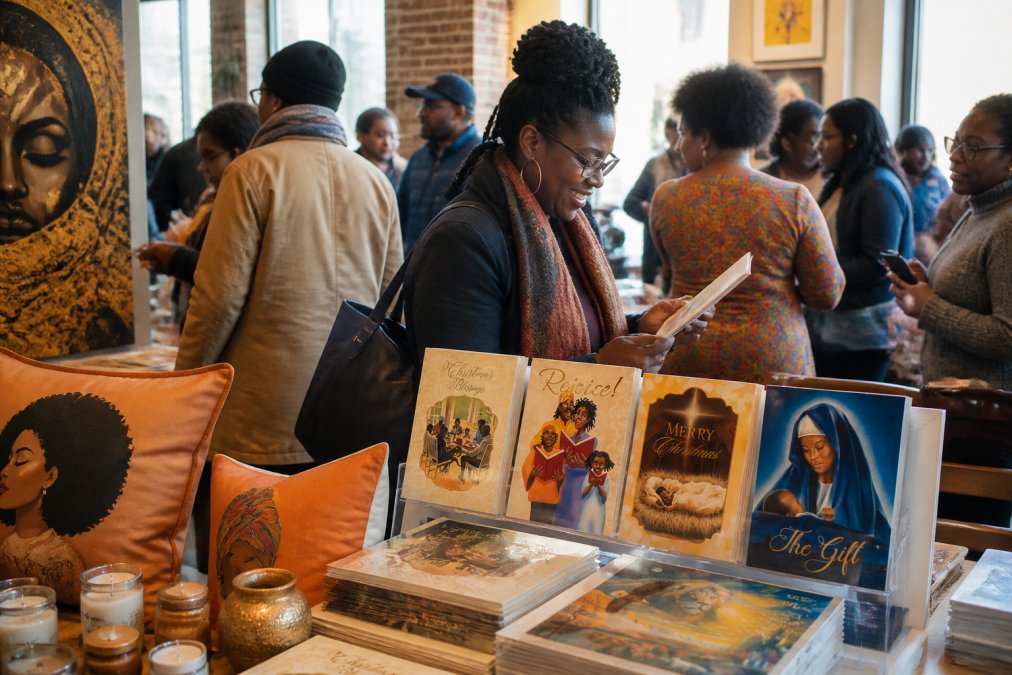
The most effective campaigns anchor to cultural moments and celebrations. Black History Month is the obvious opportunity, but also consider Kwanzaa celebrations, Juneteenth events, back-to-school campaigns, and holiday gift-buying seasons. Each moment carries cultural significance that makes supporters more likely to purchase and spend more per transaction.
Event strategy breaks into three phases: pre-event promotion, in-event experience, and post-event stewardship. Pre-event promotion builds anticipation and drives attendance. In-event experience determines whether attendees become buyers. Post-event stewardship converts one-time buyers into repeat supporters. supporting small businesses.
A practical event-based fundraising blueprint includes these elements:
- Select a cultural anchor (Black History Month, Kwanzaa, Juneteenth, holiday season)
- Set a revenue target based on your community size and supporter engagement level
- Recruit and train volunteers to represent your organization and answer product questions
- Create an inviting display featuring diverse products at multiple price points
- Develop a simple sales process that doesn't slow transactions
- Collect supporter contact information for future campaigns and impact reporting
- Follow up within one week with thank-you messages and impact metrics
Organizations that run multiple events annually see cumulative revenue growth. A school hosting a spring fundraiser, a Black History Month event, and a holiday gift campaign generates 2-3 times more revenue than one relying on a single annual event.
Crowdfunding and Digital Platforms for Black Entrepreneurs
Crowdfunding has emerged as a critical capital source for Black entrepreneurs, particularly as venture funding for Black-founded startups collapsed. In 2023, venture funding for Black-founded startups totaled only $705 million, a 71% decrease compared to 2022, according to Crunchbase's 2023 startup funding analysis.
After the Black Lives Matter movement gained prominence, African-American entrepreneurs' crowdfunding projects became nearly four times more successful than before, according to research from the University of Houston Conrad N. Hilton College of Global Hospitality Leadership. This suggests that conscious consumer interest in supporting Black businesses creates real fundraising opportunities.
Equity crowdfunding platforms like Wefunder have become particularly important for Black-owned businesses. Black Momma Teas and Café raised $2,137,445 through equity crowdfunding on Wefunder and subsequently became a publicly traded company on the New York Stock Exchange, a remarkable trajectory enabled by community support.
For organizations fundraising through Black-owned businesses, understanding crowdfunding matters because it reveals where Black entrepreneurs are raising capital. Some Black-owned businesses use crowdfunding to fund inventory expansion, which can create partnership opportunities for fundraisers. Successful campaigns tell authentic stories about the entrepreneur's background, mission, and vision, demonstrating the power of narrative-driven fundraising.
Become a part of our AAE family and start fundraising today! →
Grant Opportunities and Institutional Support for Black-Owned Ventures
Grants represent non-dilutive capital, funding that doesn't require repayment or equity surrender. For Black-owned businesses and the organizations that support them, grants are critical because they address the systemic funding gap without perpetuating debt cycles.
In fiscal year 2024, the SBA backed 5,054 loans to Black-owned businesses, totaling $1.4 billion, accounting for 7.2% of total loans approved, according to the U.S. Small Business Administration. Black-owned businesses generate approximately $183.3 billion in annual receipts yet represent only 3.3% of all employer firms, according to data from The BBX. This gap underscores why grant programs matter.
Multiple grant programs specifically target Black entrepreneurs. The NAACP Powershift Entrepreneur Grant awards $25,000 to Black entrepreneurs. Black Ambition, founded by Pharrell Williams, offers prizes ranging from $15,000 to $1 million for companies led by Black and Hispanic entrepreneurs. The HerRise MicroGrant awards $1,000 monthly to companies owned by women of color earning below certain revenue thresholds.
For schools and churches, grant opportunities extend beyond direct business grants. Many foundations and corporate giving programs specifically fund educational and community initiatives that support Black economic empowerment. Organizations should research grants aligned with their mission and position their fundraising work as part of a broader equity agenda. Strong applications require understanding funder priorities, crafting compelling narratives about community impact, and demonstrating measurable outcomes.
Post-Fundraising Stewardship: Sustaining Donor and Community Relationships
Fundraising doesn't end when the final product is sold. Post-fundraising stewardship determines whether one-time buyers become repeat donors and advocates.
Stewardship involves four key practices: timely thank-you communication, transparent impact reporting, ongoing engagement, and strategic re-engagement for future campaigns.
Within 48 hours: Send personalized thank-you messages to major donors or high-volume supporters.
Within 2 weeks: Provide initial impact reporting showing how funds raised will be used and what outcomes the organization expects.
Within 60 days: Share concrete progress. Did the organization reach its funding goal? What's the next milestone?
Quarterly or semi-annually: Provide comprehensive impact updates with specific stories and outcomes.
Annually: Conduct a stewardship review identifying which supporters are most engaged and which might be ready for deeper involvement.
One often-overlooked stewardship strategy is involving supporters in ongoing organizational life. Invite previous fundraising supporters to volunteer at events, serve on committees, or participate in organizational celebrations. This transforms them from transactional buyers into community members, which dramatically increases lifetime value and advocacy.
Black-owned business fundraising isn't just about raising money, it's about building economic power and community pride simultaneously. When organizations partner with culturally grounded businesses like African American Expressions, they align fundraising with values-based purchasing and community impact. Our 40% profit margin, culturally inspired product catalog, and 34 years of experience supporting organizations make us the natural partner for schools, churches, and community groups ready to fundraise with purpose. Start your fundraising journey with African American Expressions and watch your organization's revenue grow while strengthening Black economic empowerment.
=== FAQ ANSWERS (audit these too, same rules) ===
[1] Q: What makes Black-owned fundraising products different from generic fundraising options? A: Black-owned fundraising products celebrate cultural heritage while generating revenue for your organization. Products like culturally inspired greeting cards, canvas art, and home decor from vendors like African American Expressions offer 40% profit margins, significantly higher than many traditional fundraisers. Beyond financial returns, these products support economic empowerment and allow your community to take pride in what they're selling. After 34 years in business, African American Expressions has generated millions of dollars for schools, churches, and nonprofits, proving that mission-aligned fundraising drives both results and community engagement.
[2] Q: How can small churches and organizations compete with larger groups in fundraising? A: Smaller organizations win through targeted, personal outreach and niche marketing. Focus your fundraising campaign on your immediate community network, congregation members, families, and local supporters who already believe in your mission. Micro-fundraising through product sales works exceptionally well for smaller groups because you're not competing on volume; you're competing on authenticity and relationship. Organizations of any size can access the same high-margin products and technical assistance. The key is consistent follow-up and transparent communication about how funds will be used, which builds donor retention and repeat participation.
[3] Q: What are the tax and legal considerations when running a Black-owned business fundraiser? A: If your organization is a registered nonprofit (501(c)(3)), fundraising revenues are generally tax-exempt. However, document all sales and expenses meticulously for IRS compliance. Individual fundraisers or for-profit entities should consult a tax professional about sales tax obligations and income reporting. Maintain clear records showing the percentage of revenue going to your cause versus operational costs. Transparent accounting builds donor trust and ensures compliance with state fundraising registration requirements, which vary by state. When partnering with Black-owned vendors, request written agreements clarifying commission splits, payment terms, and product quality guarantees.
[4] Q: How do I choose between micro-grants, institutional grants, and product-based fundraising? A: Each approach serves different timelines and needs. Micro-grants like the HerRise MicroGrant ($1,000 monthly) provide quick, recurring capital but require ongoing applications. Institutional grants (NAACP Powershift Entrepreneur Grant: $25,000; Black Ambition: up to $1 million) offer larger sums but involve competitive applications and longer approval timelines. Product-based fundraising through Black-owned vendors generates immediate revenue with zero approval barriers, you start selling right away and earn 40% commission on every sale. For urgent needs, combine product fundraising with grant applications. For sustainable growth, use grants for expansion while product sales provide steady operational revenue.
Frequently Asked Questions
Q: What makes Black-owned fundraising products different from generic fundraising options?
A: Black-owned fundraising products celebrate cultural heritage while generating revenue for your organization. Products like culturally inspired greeting cards, canvas art, and home decor from vendors like African American Expressions offer 40% profit margins, significantly higher than many traditional fundraisers. Beyond financial returns, these products support economic empowerment and allow your community to take pride in what they're selling. After 34 years in business, African American Expressions has generated millions of dollars for schools, churches, and nonprofits, proving that mission-aligned fundraising drives both results and community engagement.
Q: How can small churches and organizations compete with larger groups in fundraising?
A: Smaller organizations win through targeted, personal outreach and niche marketing. Focus your fundraising campaign on your immediate community network, congregation members, families, and local supporters who already believe in your mission. Micro-fundraising through product sales works exceptionally well for smaller groups because you're not competing on volume; you're competing on authenticity and relationship. Organizations of any size can access the same high-margin products and technical assistance. The key is consistent follow-up and transparent communication about how funds will be used, which builds donor retention and repeat participation.
Q: What are the tax and legal considerations when running a Black-owned business fundraiser?
A: If your organization is a registered nonprofit (501(c)(3)), fundraising revenues are generally tax-exempt. However, document all sales and expenses meticulously for IRS compliance. Individual fundraisers or for-profit entities should consult a tax professional about sales tax obligations and income reporting. Maintain clear records showing the percentage of revenue going to your cause versus operational costs. Transparent accounting builds donor trust and ensures compliance with state fundraising registration requirements, which vary by state. When partnering with Black-owned vendors, request written agreements clarifying commission splits, payment terms, and product quality guarantees.
Q: How do I choose between micro-grants, institutional grants, and product-based fundraising?
A: Each approach serves different timelines and needs. Micro-grants like the HerRise MicroGrant ($1,000 monthly) provide quick, recurring capital but require ongoing applications. Institutional grants (NAACP Powershift Entrepreneur Grant: $25,000; Black Ambition: up to $1 million) offer larger sums but involve competitive applications and longer approval timelines. Product-based fundraising through Black-owned vendors generates immediate revenue with zero approval barriers, you start selling right away and earn 40% commission on every sale. For urgent needs, combine product fundraising with grant applications. For sustainable growth, use grants for expansion while product sales provide steady operational revenue.
This article was written using GrandRanker