

Table of Contents
- Classroom Supplies vs Home Kits: A Quick Comparison
- What Belongs in a 2026 Black History Month Classroom Kit
- Home Kits for Families: What to Look For
- Classroom Fundraising Ideas That Fund Your Supplies
- Culturally Inspired Stationery and Journals for Every Setting
- Budget-Friendly DIY Alternatives and Digital Toolkits
- Frequently Asked Questions
Last Updated: September 15, 2026
Classroom Supplies vs Home Kits: A Quick Comparison
Black History Month 2026 classroom supplies and home kits serve different purposes, and choosing between them comes down to scale, supervision, and budget rather than quality. This guide from African American Expressions breaks down what each option includes, what it costs, and which setting it fits best.
The short version: classroom supplies are built for group instruction, shared materials, and teacher-led discussion. Home kits are built for one or two children, independent exploration, and family conversation. Many families and educators now buy both, using a classroom kit for school and a smaller home kit to keep the learning going after the last bell. Deepening this engagement often requires integrating social emotional learning kits to ensure that the values discussed in the classroom resonate within the child's personal development at home.
Black History Month resource collections shows how teachers often source tactile materials, posters, and project supplies through direct community funding rather than district budgets. That funding gap is exactly why the classroom-versus-home decision matters more than most buying guides admit.
At-a-Glance Feature and Pricing Table
| Feature | Classroom Kit | Home Kit |
|---|---|---|
| Typical quantity | 25-30 student sets | 1-3 student sets |
| Core contents | Lesson plans, posters, group project packs | Activity books, trivia cards, journals |
| Best for | Teachers, after-school programs | Parents, homeschool families |
| Price range | Higher per kit, lower per student | Lower total cost |
| Reusability | Multi-year with lamination | Single-child use |
| Digital add-ons | Slides, printable worksheets | Shareable visuals, reading lists |
What Belongs in a 2026 Black History Month Classroom Kit
A strong 2026 classroom kit pairs curated lesson plans with hands-on materials students can physically handle. The best kits move beyond worksheets into role-playing, group projects, and discussion prompts that keep every student participating.
Start with these components:
- Curated lesson plans tied to social studies and language arts standards
- Posters and visual aids featuring historical figures and milestones
- Activity packs for group work, including trivia and puzzle sets
- Stationery and journals for reflection writing
- Promotional items or small prizes for classroom engagement
The National Museum of African American History and Culture offers digital toolkits with shareable visuals and reading lists that pair well with physical supplies. A common mistake is buying only decor. Posters without lesson plans become wallpaper by week two.

Lesson Plans and Curated Educational Resources
Curated content saves teachers hours of planning. Look for kits that map activities to grade-level academic standards and include discussion questions for each historical figure or event.
The strongest educational resources build in reflection, not just fact-finding. A lesson on a milestone figure works better when students connect it to a current event or their own community.
Interactive Learning and Student Projects
Interactive learning is what separates a memorable unit from a forgettable one. Role-playing, group presentations, and puzzle-based review games keep student participation high and give quieter students a structured way in.
Home Kits for Families: What to Look For
Home kits work best when they match your child's reading level and give you a conversation starter, not just a worksheet. Look for activity books, trivia cards, and journals that work across ages so siblings can use the same kit together.
Three things matter most:
- Age-appropriate content that grows with your child
- Visual aids that spark questions rather than just decorate a room
- A mix of solo and family activities for rainy days and dinner-table talk
Age-Appropriate Differentiation and Visual Aids
Younger children respond to coloring, matching, and simple trivia. Older students need primary-source excerpts, essay prompts, and debate topics. A single kit rarely covers both well, which is why many families buy two.
Classroom Fundraising Ideas That Fund Your Supplies
Fundraising is the most reliable way to pay for classroom supplies without dipping into a personal budget. The strongest classroom fundraising ideas combine a product people already want with a margin high enough to cover a full unit of materials.
African American Expressions runs a fundraising program where schools, churches, and organizations earn 40% of everything sold through culturally inspired gifts, stationery, and home decor. For a small church or a single classroom, that margin is often the difference between a bare-bones unit and a full one.
A simple three-step plan:
Become a part of our AAE family and start fundraising today! →
- Set a target based on your supply list
- Choose a sales window of two to three weeks
- Promote through parent groups and congregation announcements
guidance on culturally responsive teaching reinforces that materials should reflect students' own communities, which makes a heritage-focused fundraiser a natural fit rather than a stretch.
Culturally Inspired Stationery and Journals for Every Setting
Culturally inspired stationery does double duty: it supports writing instruction and it gives students something they are proud to use. Journals with heritage-inspired covers and scripture or reflection prompts work in both classroom and home settings.
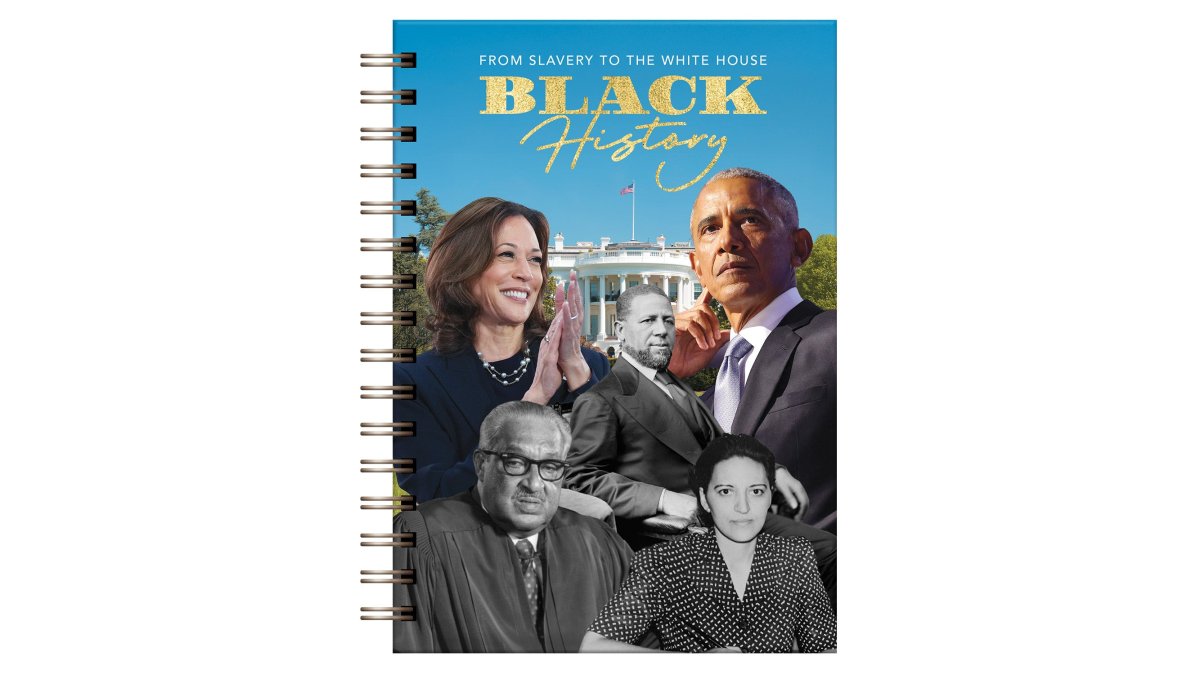
For classrooms, buy in bulk so every student has one. For home use, a single journal is often enough. African American Expressions offers a Black History Journal at $13.00 that fits both cases, with thick pages that resist ink bleed and a spiral binding built for daily use.
Budget-Friendly DIY Alternatives and Digital Toolkits
DIY kits stretch a tight budget further than most people expect. Printable lesson plans, homemade trivia cards, and library-sourced books can cover much of the same ground as a purchased kit.
A practical DIY starter list:
- Print or hand-write trivia cards from free museum resources
- Use library books for primary-source excerpts
- Build a timeline wall with student-made cards
- Ask families to donate craft supplies already at home
Black History Month resource pack designed for both home and classroom use shows how dual-purpose materials are increasingly marketed for both settings, which means a single purchase can serve a family and a classroom.
For digital support, the North Carolina African American Heritage Commission publishes lesson plans and toolkits that pair with physical supplies at no cost.
What most guides miss is that DIY and purchased kits are not competitors. The best-funded units combine both: buy the structured lesson plans, DIY the consumables.
Building a meaningful Black History Month unit takes more than a poster and a worksheet, and the difference between a classroom kit and a home kit is really a difference in who is doing the teaching. African American Expressions has spent 34 years supplying culturally inspired gifts, stationery, and decor, and our fundraising program lets schools, churches, and organizations earn 40% on every sale to fund the supplies they need. Start with our Black Heritage Word Search Book, Black Heritage Trivia Game Cards, or Black History Journal, and become part of our AAE family by starting a fundraiser today.

Frequently Asked Questions
What are the key differences between classroom-grade and home-use educational kits?
Classroom kits typically include bulk quantities of instructional materials like lesson plans, activity packs, and visual aids designed for 20-30 students. Home kits focus on one or two children with individual workbooks, smaller activity packs, and family-friendly projects. Classroom versions often cost more upfront but provide better value per student, while home kits offer flexibility for homeschool or after-school learning. Both can include culturally responsive content, but classroom kits usually align with academic standards and include teacher guides.
What should be included in a comprehensive Black History Month resource pack for 2026?
A complete resource pack should contain curated lesson plans, interactive learning activities, historical figures profiles, and visual aids. Look for items like the Black Heritage Trivia Game Cards ($24.00) for group engagement, the Black Heritage Word Search Book ($17.99) for individual work, and journals for reflection. Digital toolkits with shareable visuals and reading lists supplement physical supplies. Ensure materials reflect anti-bias education approaches and cover key milestones from civil rights to modern achievements.
Are there fundraising opportunities available through educational supply providers?
Yes. African American Expressions offers a fundraising program where schools, churches, and community organizations earn 40% on every sale. This means a $100 order generates $40 for your group. Programs like this help fund classroom supplies, field trips, or cultural events. Organizations can sell culturally inspired stationery, calendars, and gifts to supporters. The model works for groups of all sizes, from small churches to large school districts, and provides a sustainable way to support educational equity while sharing meaningful products.
How can educators and parents effectively use Black History Month resources?
Start by selecting materials that match your learning environment and age group. For classrooms, integrate lesson plans into social studies and language arts curriculum. Use trivia cards for group activities and word search books for independent work. At home, set aside weekly family discussion time using trivia questions and journals. Supplement kits with community engagement, like visiting local exhibits or inviting guest speakers. Pre-packaged materials work best when paired with anti-bias education and open dialogue about race.
Where can I find culturally authentic Black History Month materials?
Look for suppliers with a long track record of serving the Black community. African American Expressions has provided culturally inspired gifts and educational resources for over 34 years. Their product line includes puzzles, journals, activity books, and trivia games that reflect historical legacy and cultural pride. The National Museum of African American History and Culture also offers digital toolkits with shareable visuals and reading lists. Prioritize sources that center Black voices and stories rather than generic diversity products.