

Last Updated: October 25, 2026
Quick Summary
Heritage decor vs fast furniture shows a stark durability difference: fast furniture typically lasts 3-7 years before landfill disposal, while heritage pieces last 30-50+ years with care. Over 30 years, buying six fast-furniture sofas creates far greater environmental impact than maintaining one durable heritage piece, making heritage decor the more sustainable choice despite higher upfront costs.
- Fast furniture accounted for a significant portion of the 12.1 million tons of furniture waste in landfills in 2018.
- The eco-friendly furniture market is projected to grow from $46.3 billion in 2023 to $83.8 billion by 2030 at an 8.6% annual growth rate.
- Heritage pieces use solid hardwood, mortise-and-tenon joinery, and natural fabrics that enable repair and refinishing across decades.
- Buying secondhand furniture is the most sustainable option because no new resource extraction, manufacturing emissions, or shipping occur.
Table of Contents
- Understanding Fast Furniture and Heritage Decor
- Fast Furniture Environmental Impact and Production Methods
- Why Sustainable Furniture Materials Matter
- Secondhand Furniture Benefits and Heritage Pieces
- Durability and Lifespan: Heritage Decor vs Fast Furniture
- Durable Furniture Buying Guide for Long-Term Value
- Making Your Sustainable Choice: Heritage or New
- Frequently Asked Questions
Understanding Fast Furniture and Heritage Decor
Fast furniture is mass-produced, inexpensive furniture designed for quick assembly and short-term use.
The difference between these two approaches shapes everything: environmental impact, long-term cost, and what ends up in landfills. At African American Expressions, we recognize that conscious consumers increasingly face this choice when furnishing homes that reflect their values and heritage.
Fast furniture dominates the market because it's accessible. A couch costs $300 instead of $1,500. A bookshelf arrives flat-packed and ready to assemble. But accessibility comes with a hidden cost: these pieces typically last 3-5 years before they're discarded.
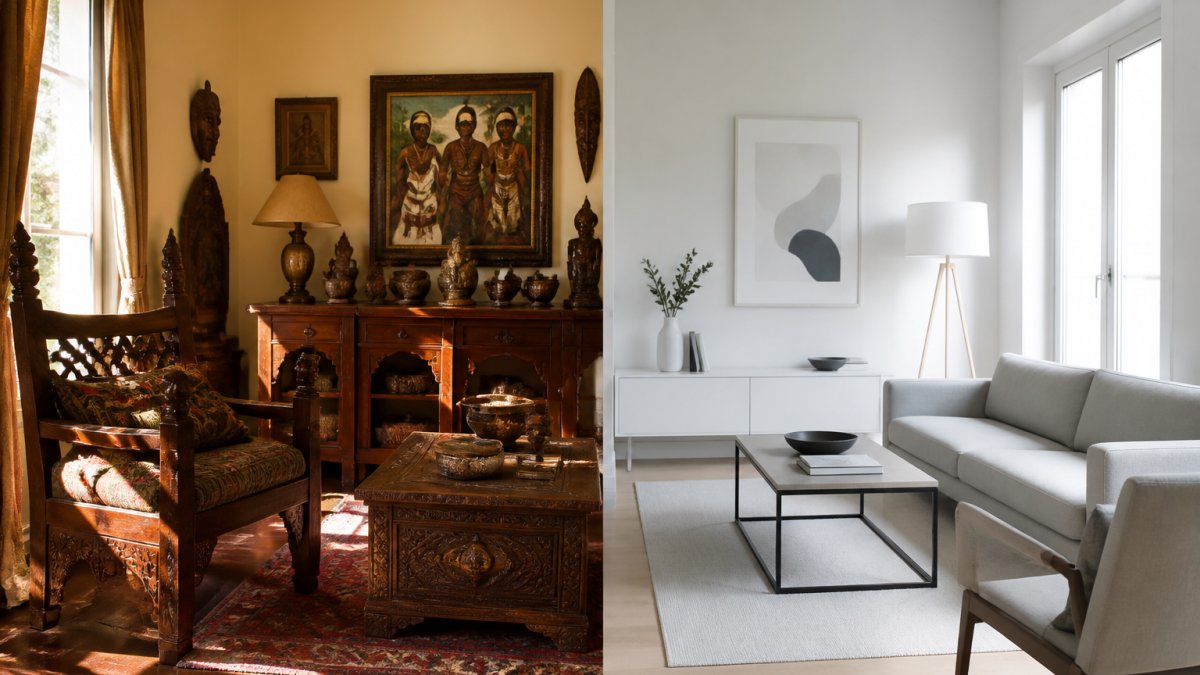
The sustainability question isn't really about price. It's about what happens after purchase. One piece replaced every five years versus one piece kept for fifty years tells vastly different environmental stories.
Fast Furniture Environmental Impact and Production Methods
Fast furniture production relies on rapid manufacturing cycles and low-cost materials. Particleboard, veneers, and synthetic fabrics replace solid wood and natural textiles.
According to Earth.org's analysis of furniture waste, furniture accounted for 4.1% of landfill waste, or 12.1 million tons, in 2018.
The production process itself carries environmental weight. Manufacturing requires raw materials extracted at scale: lumber, petroleum-based synthetics, metals, and adhesives. Transportation adds emissions, pieces ship globally, often across continents.
What most guides miss: the problem isn't just disposal. It's the constant replacement cycle. Buy, use for five years, discard, buy again.
Responsible purchasing means understanding this math. One heritage table used for three generations produces a fraction of the environmental burden of six fast-furniture tables replacing it over the same period.
Why Sustainable Furniture Materials Matter
Material choice determines both durability and environmental footprint. Solid wood, metal frames, and natural textiles age gracefully. Particleboard and veneers deteriorate predictably, they're engineered for obsolescence, not longevity.
The global eco-friendly furniture market was projected to grow from about $46.3 billion in 2023 to $83.8 billion by 2030, at an approximately 8.6% compound annual growth rate, according to POVISON's market analysis. This growth reflects rising consumer awareness that sustainable materials matter.
Reclaimed wood eliminates the resource extraction step entirely. A heritage table made from reclaimed barn wood avoids logging new forests. Recycled metals reduce mining impacts.
Heritage pieces often use materials that were standard before cheap synthetics dominated: solid hardwoods, brass hardware, genuine leather, wool upholstery. These materials cost more initially but reward longevity. A leather chair darkens and softens beautifully over decades.
Bamboo and recycled materials represent sustainable options for new furniture, though they're still far less common in fast-furniture production. When a manufacturer prioritizes sustainable materials, it typically signals commitment to durability as well, the economics don't work otherwise.
Secondhand Furniture Benefits and Heritage Pieces
Buying secondhand is the most sustainable option available: no new resource extraction, no new manufacturing emissions, and no overseas shipping for a new piece. The environmental cost has already been paid.
A practical inspection checklist. Bring a flashlight and a small magnet, and check these in order:
- Provenance. Ask who made it, when, and where it has been. Maker's marks, labels, and stamps help. A piece with a documented history is easier to value and easier to resell.
- Materials. Look underneath and inside drawers. Solid wood shows continuous grain and end grain at joints; veneer shows a thin layer over particleboard or plywood. A magnet sticking to a 'brass' pull usually means plated steel.
- Joinery. Dovetail and mortise-and-tenon joints signal quality. Staples, nails, and glue blocks signal lower-grade construction.
- Condition. Check for wobble, cracks at joints, water stains, warping, and sagging. Surface wear is often refinishable; structural failure is expensive.
- Restoration needs. Re-gluing and refinishing are manageable. Reupholstery, re-veneering, and structural repair can exceed the piece's value, price that in before buying.
- Hazardous finishes. Older pieces may carry lead paint, and some mid-century finishes and adhesives can off-gas. If a finish is chalking, cracking, or unknown, assume it needs testing or professional stripping before use around children. Learn how to restore vintage heritage furniture pieces before committing.
Where to source. Estate sales, antique shops, consignment stores, auctions, and online marketplaces all work, but each has trade-offs. Estate sales often price to move and reward early arrival. Consignment shops curate but charge more. Online listings widen the search but require careful photo review and in-person inspection before payment.
Cultural significance extends lifespan. Heritage pieces often carry stories, handcrafted by artisans, passed through families, or designed to reflect specific traditions. People keep meaningful pieces longer, which is itself a sustainability mechanism: attachment reduces replacement.
Become a part of our AAE family and start fundraising today! →
Durability and Lifespan: Heritage Decor vs Fast Furniture
Most guides treat durability as a vague virtue. For this comparison, it helps to put numbers on it. The table below uses transparent, commonly cited assumptions rather than a single study; treat the figures as planning estimates, not precise measurements.
| Factor | Typical Fast Furniture | Typical Heritage Piece |
|---|---|---|
| Expected service life | 3-7 years | 30-50+ years with care |
| Frame construction | Particleboard or MDF, stapled or glued | Solid hardwood, mortise-and-tenon or doweled joinery |
| Repairability | Low; replacement usually cheaper than repair | High; joints re-glue, upholstery re-covers, hardware replaces |
| Upfront price (sofa example) | $300-$800 | $1,500-$4,000+ |
| Replacements over 30 years | 4-10 | 0-1 |
| End-of-life path | Landfill or bulky-waste pickup | Resale, restoration, or hand-down |
The replacement math. Take a $500 fast-furniture sofa replaced every five years. Over 30 years that is six sofas and roughly $3,000 in purchase price alone, before accounting for delivery, assembly time, and disposal fees. A $2,000 heritage sofa kept for 30 years and reupholstered once (a common cost range is several hundred to over $1,000 depending on fabric and labor) lands in a similar total-cost range but avoids five additional manufacturing and disposal cycles. The financial case is not automatic, it depends on how long you actually keep the piece, but the environmental case is far more lopsided, because each avoided replacement avoids new material extraction, manufacturing emissions, and landfill volume.
Why construction decides lifespan. Solid wood frames flex and recover; particleboard crushes at the fastener and cannot be re-tightened indefinitely. Kiln-dried hardwood resists warping and splitting that plague green or poorly dried lumber. Mortise-and-tenon and doweled joints can be disassembled and re-glued; staples and glue blocks often cannot.
Repairability is the hidden multiplier. A heritage chair with a loose joint is a clamp-and-glue job. That single difference, repair versus replace, is what turns a higher upfront price into a lower cost per year of use. Explore whether heritage decor is worth the price for the full investment case.
Durable Furniture Buying Guide for Long-Term Value
Choosing durable furniture requires understanding what signals longevity. Start with materials: solid wood beats veneer, hardwood beats softwood, natural fabrics beat synthetics.
Weight tells a story. Lift a piece. If it feels substantial, materials are likely dense and durable. Lightweight furniture often indicates hollow cores and cheap materials.
Ask about sourcing. Where does the wood come from? How is it finished? Transparent manufacturers provide answers because they're proud of their process. Vague responses suggest corners are being cut.
| Selection Criterion | What to Look For | Why It Matters |
|---|---|---|
| Wood Type | Solid hardwood (oak, walnut, maple) | Resists warping, lasts decades |
| Joinery | Mortise-and-tenon, dowels | Stronger than staples or nails |
| Upholstery | Natural fibers (wool, cotton, linen) | Breathes, ages gracefully, biodegrades |
| Finish | Hand-applied stain or oil | Repairable, improves with age |
| Hardware | Metal (brass, steel) | Doesn't corrode, functions long-term |
| Price Point | Higher initial cost | Signals quality materials and labor |
Consider your lifestyle. A heritage piece in a high-traffic household with children and pets needs different durability than one in a quiet study.
Secondhand heritage pieces offer exceptional value if you know what to inspect. Check for structural integrity, no major cracks, loose joints, or warping. Assess upholstery condition; reupholstering is expensive but possible.
Making Your Sustainable Choice: Heritage or New
The heritage decor vs fast furniture sustainability question has no universal answer. Context matters. Budget matters. Lifestyle matters.
Heritage pieces make sense if you plan to keep furniture long-term, have space for larger or heavier pieces, and value durability over trend-following.
Fast furniture serves a purpose for people in transition, students, early-career professionals, renters, or anyone with temporary housing situations.
The most sustainable choice is often the one you already own. Before buying anything new, heritage or otherwise, consider whether existing furniture can be repurposed, restored, or kept longer.
When you do purchase, apply the durability framework: solid materials, quality construction, repairability, and longevity. These criteria apply whether you're buying heritage pieces, new sustainable furniture, or secondhand options.
At African American Expressions, we celebrate pieces that carry cultural meaning and heritage significance.
Frequently Asked Questions
What is the difference between heritage decor and fast furniture?
Heritage decor refers to vintage, antique, or pre-loved pieces often featuring cultural significance, craftsmanship, and timeless design. Fast furniture is mass-produced, low-cost furniture designed for quick sales and frequent replacement. Heritage decor typically uses solid wood, quality joinery, and traditional materials, while fast furniture relies on particleboard, veneers, and adhesives to minimize production costs. The key distinction: heritage pieces are built to last decades; fast furniture often lasts 3-5 years.
Why is fast furniture bad for the environment?
Fast furniture contributes significantly to waste. Furniture accounted for 12.1 million tons of landfill waste in 2018. Mass production consumes vast amounts of raw materials and energy, generating high carbon footprints and embodied carbon. Rapid production cycles and cheap materials mean pieces break easily, ending up in landfills rather than being repaired or reused. The circular economy is disrupted when furniture is designed for disposal rather than durability, making the environmental impact of fast furniture production and disposal substantial.
Is buying secondhand furniture better for the environment?
Yes. Secondhand and pre-loved furniture extends product lifespan, reducing the need for new production and raw material extraction. Buying pre-loved pieces keeps furniture out of landfills and eliminates the environmental costs of manufacturing, shipping, and packaging new items. Heritage and antique furniture, often sourced secondhand, represents the ultimate circular economy choice: no new resources consumed, no new waste generated. This is why secondhand furniture benefits align closely with sustainable purchasing practices and responsible consumption.
How can I tell if furniture is built to last?
Look for solid wood construction (not veneer or particleboard), mortise-and-tenon joinery, and hardwood frames. Check for quality upholstery, eight-way hand-tied springs in sofas, and finishes that can be refinished. Avoid pieces held together primarily by staples or glue. Heritage and antique furniture typically shows these markers of durability. When shopping new, research brand reputation for repairability and warranty length. Test drawers and joints for smooth operation. Durable furniture buying decisions prioritize construction quality over price, ensuring pieces become forever pieces rather than disposable items.
The choice between heritage decor and fast furniture ultimately reflects your values. If sustainability matters to you, durability should guide your decisions. Choose pieces built to last, materials that age beautifully, and construction that withstands time. Whether that's a vintage heritage piece or new furniture made to endure, the principle remains the same: buy less, choose well, and keep it longer. That's how individual choices compound into environmental impact that actually matters.
