

Table of Contents
- Understanding High-Margin Fundraising for Black Organizations
- Systemic Barriers to Capital Access and How to Work Around Them
- Fundraising Strategies for Black-Led Nonprofits That Drive Real Returns
- Major Donor Cultivation Strategies and Relationship Building
- Fundraising Event Ideas with High ROI for Community Organizations
- Digital Fundraising Platforms for Nonprofits: Choosing the Right Tools
- Building Sustainable Revenue Streams and Donor Retention
- Conclusion: Your Path to Sustainable Fundraising Success
Last Updated: August 14, 2026
Understanding High-Margin Fundraising for Black Organizations
High-margin fundraising selects revenue-generating activities that deliver the largest net profit after costs. For Black-led nonprofits, this approach addresses a persistent challenge: generating sustainable funds while minimizing administrative burden that drains resources from mission work.
Not all fundraising efforts are equal. A bake sale might feel productive, but after accounting for ingredients, labor, and venue costs, the actual margin can be razor-thin. Strategic high-margin fundraising focuses on activities where your organization keeps a substantial percentage of revenue. African American Expressions has spent 34 years helping schools, churches, and community organizations access this kind of fundraising through culturally meaningful products, enabling groups to earn 40% on every sale while building community pride simultaneously.
High-margin fundraising isn't about working harder, it's about working smarter by selecting revenue streams that align with your organization's capacity and your community's values. When your nonprofit keeps more of what's raised, you redirect those funds toward actual programming rather than spending them on fundraising itself.
Systemic Barriers to Capital Access and How to Work Around Them
Fundraising for Black-led organizations operates within a landscape shaped by systemic inequity. Black nonprofits historically receive a smaller share of philanthropic dollars, and many face skepticism from institutional funders about their capacity to manage large grants or financial sustainability.
Many Black organizations report that traditional grant cycles favor established institutions with existing foundation relationships. Smaller, community-centric organizations often lack the infrastructure or donor networks to compete effectively. This reality makes diversified income streams essential, you cannot rely solely on grant funding when access to that funding is structurally constrained.
The practical response is to build revenue sources that don't depend on convincing institutional gatekeepers. Product-based fundraising, recurring revenue models from community members, and event-based campaigns create capital that flows directly from your community to your mission. These approaches also build donor retention because supporters see tangible impact: they purchase a product, receive something meaningful, and know exactly where their money went.
Another barrier is the assumption that Black organizations must prove their worth repeatedly. By developing high-margin fundraising channels that are community-controlled, you reduce dependency on external validation and build sustainable revenue independent of philanthropic cycles.
Fundraising Strategies for Black-Led Nonprofits That Drive Real Returns
The most effective fundraising strategies for Black-led nonprofits combine cultural authenticity with financial discipline. This means selecting approaches that resonate with your community while delivering measurable returns on invested time and resources.
Community-centric fundraising recognizes that your supporters aren't abstract donors, they're neighbors, families, church members, and alumni with direct connection to your mission. When a church sells African American heritage calendars to its congregation, the transaction carries meaning beyond the purchase itself. Supporters feel they're investing in something that reflects their identity and values.
Recurring revenue models solve a chronic nonprofit problem: unpredictability. Monthly giving circles, subscription-based product programs, and seasonal fundraising campaigns create revenue you can actually plan around. This stability allows you to hire staff, commit to programs, and think strategically rather than constantly firefighting budget shortfalls.
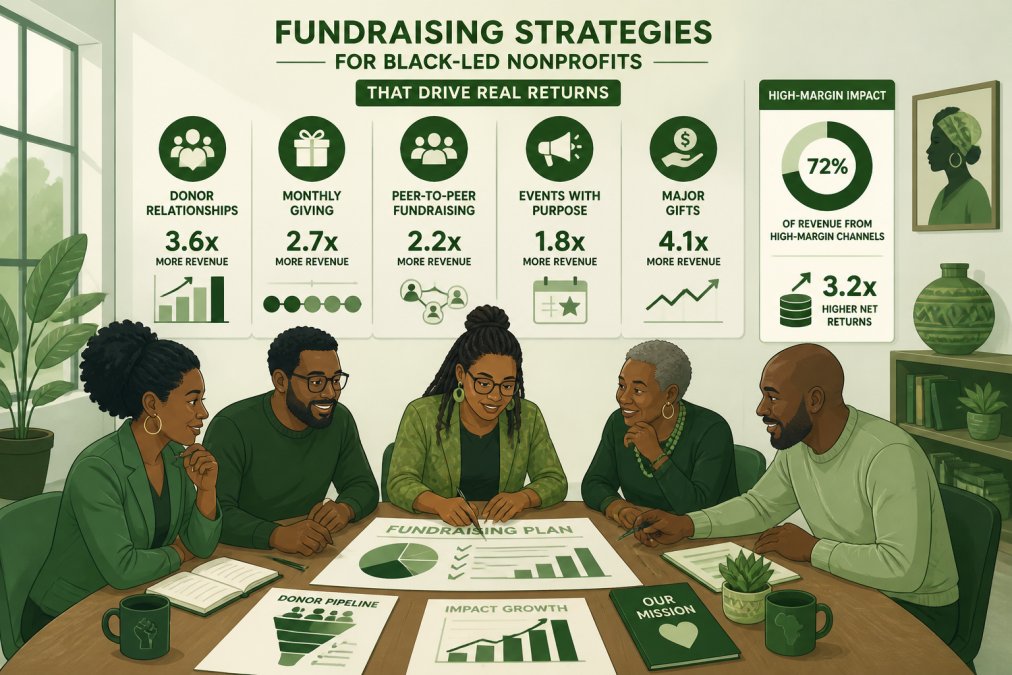
Capacity building for your fundraising team is often overlooked. Effective fundraisers need training in donor cultivation, financial literacy, and relationship management. When your team understands how to identify prospects, build relationships over time, and make compelling cases for support, your fundraising margin improves dramatically.
Product-based fundraising addresses multiple challenges simultaneously. When organizations sell culturally inspired gifts, stationery, and home decor, they're offering value in exchange for payment rather than asking for charity. This removes psychological barriers many people feel around traditional fundraising asks. Additionally, product fundraising creates touchpoints throughout the year rather than concentrating on a single event.
Major Donor Cultivation Strategies and Relationship Building
Major donor cultivation is fundamentally about building relationships before you ask for money. Many organizations reverse this order, identify a prospect, make an ask, and wonder why the response is lukewarm. The reality is that major gifts emerge from trust built over time through meaningful interaction.
For Black-led organizations, major donor cultivation often means identifying supporters within your community first, successful alumni, business owners, community leaders, or longtime supporters who have demonstrated commitment to your mission. The cultivation process involves regular communication, invitations to events, requests for feedback on programs, and genuine relationship-building unrelated to fundraising.
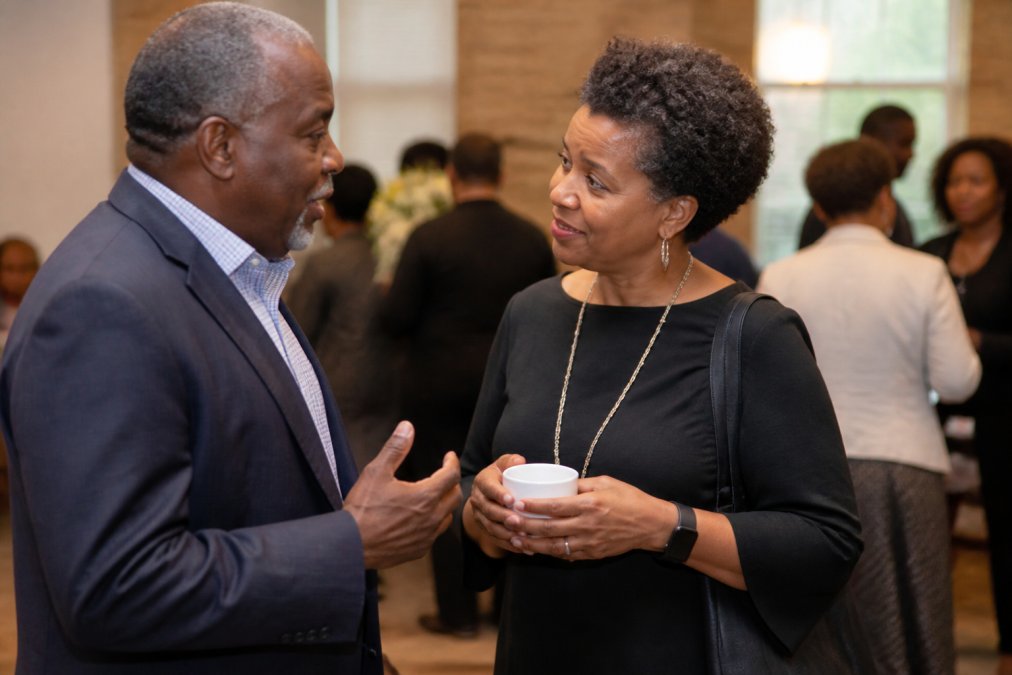
A common mistake is treating major donor cultivation as one-way. Effective cultivation involves asking donors what they care about, listening to their interests and concerns, and finding ways to involve them in your mission beyond financial support. When a donor feels genuinely heard and valued, their commitment deepens and their giving often increases organically.
Trust-based philanthropy represents a shift in how many funders approach giving to Black organizations. Rather than demanding extensive reporting before releasing funds, trust-based donors provide flexible funding and genuine partnership. Building relationships with trust-based funders requires demonstrating competence and integrity, opening doors to funding not contingent on arbitrary metrics.
The mechanics of major donor cultivation include regular contact (quarterly at minimum), invitations to meaningful events, personal notes acknowledging milestones, and transparent communication about both successes and challenges. When a donor receives a call updating them on program outcomes without asking for money, that relationship strengthens.
Fundraising Event Ideas with High ROI for Community Organizations
Fundraising events can deliver strong returns when designed strategically around your community's interests and your organization's capacity. The key is selecting events that generate significant revenue relative to the effort required.
Gala-style events remain effective but require substantial upfront investment. For organizations with limited resources, smaller, more frequent events often deliver better returns. A quarterly community celebration featuring local artists, food, and conversation can build stronger relationships than an annual gala that exhausts your team.
Signature events that become anticipated traditions create momentum over time. A church's annual Black History Month celebration, a school's heritage festival, or a community organization's award ceremony builds anticipation and repeat attendance. When supporters know to expect your event, they budget for tickets and bring friends.
Hybrid events combining in-person and virtual components expand your reach without proportionally increasing costs. You can host a live event for local supporters while streaming to alumni and supporters who've relocated, increasing ticket sales without requiring additional physical space or catering.
The highest-ROI events often combine education with fundraising. A community forum on financial literacy, a panel discussion featuring successful Black entrepreneurs, or a workshop on nonprofit governance attracts supporters who value the content itself. When attendees leave having learned something valuable, they're more likely to support your organization again.
Digital Fundraising Platforms for Nonprofits: Choosing the Right Tools
Digital fundraising platforms have fundamentally changed how nonprofits raise money, making it possible to reach supporters beyond geographic boundaries and accept donations with minimal friction. The right platform depends on your organization's technical capacity, budget, and fundraising priorities.
Become a part of our AAE family and start fundraising today! →
Donation platforms like Donorbox, GiveWP, and Charity Navigator integration allow supporters to give directly to your mission with secure payment processing. These platforms typically charge a percentage of each donation, so understanding your transaction costs matters. A platform charging 2.2% plus $0.30 per transaction will cost significantly more on small gifts than on larger ones.
Email fundraising platforms enable sophisticated donor communication and segmentation. Rather than sending the same message to all supporters, you can tailor communications based on donor history, interests, and giving capacity. This personalization increases response rates and donor retention.
Social media fundraising through Facebook, Instagram, and TikTok has become increasingly effective, particularly for reaching younger supporters. When a supporter creates a birthday fundraiser for your organization, their entire social network sees the campaign, and many will contribute who wouldn't otherwise encounter your fundraising ask.
Crowdfunding platforms like GoFundMe and Kickstarter work well for time-limited campaigns with clear funding goals. A school raising money for a specific program or a community center funding renovations can use crowdfunding's urgency and transparency.
When selecting digital platforms, prioritize integration with your existing systems. If your platform doesn't connect to your donor database, you'll spend hours manually entering data. Choose platforms that work together rather than creating isolated silos of information.
Building Sustainable Revenue Streams and Donor Retention
Sustainable revenue means building multiple income sources so your organization isn't dependent on any single funding stream. When one source dries up, whether a major donor relocates, a grant cycle ends, or an event gets canceled, your organization can continue functioning because other revenue sources remain stable.
Diversified income streams typically include individual giving, institutional support, earned revenue from services or products, and grant funding. No single source should represent more than 40-50% of your annual budget. This creates resilience and reduces the stress of dependency.
Donor retention is often overlooked but represents one of the highest-ROI fundraising investments. Retaining an existing donor is significantly less expensive than acquiring a new one. When supporters have positive experiences with your organization, receive meaningful impact updates, and feel genuinely appreciated, they continue giving year after year.
The mechanics of donor retention include prompt thank-you communications, regular impact updates showing exactly how donations were used, invitations to events and volunteer opportunities, and genuine relationship maintenance. When a supporter receives a call from your executive director thanking them for their gift, that relationship deepens.
Donor stewardship, the ongoing relationship management after a gift is made, directly correlates with donor retention rates. Organizations that implement systematic stewardship processes see significantly higher repeat gift rates through quarterly newsletters, annual impact reports, volunteer opportunities, or board event invitations.
Recurring giving programs create revenue predictability that transforms nonprofit operations. When supporters commit to monthly gifts, even small ones, that creates a revenue base you can count on. A supporter giving $25 monthly contributes $300 annually and $3,000 over a decade.
Product-based fundraising through organizations like African American Expressions creates sustainable revenue by aligning with community values while delivering high margins. When your supporters purchase culturally meaningful products, calendars celebrating Black history, stationery featuring African American art, home decor reflecting heritage, they're making a purchase that feels good because they know 40% of their spending supports your mission. This removes the transactional nature of traditional fundraising and creates a win-win where supporters get quality products and your organization generates reliable revenue.
Conclusion: Your Path to Sustainable Fundraising Success
Building sustainable fundraising for Black-led organizations requires moving beyond one-time campaigns toward strategic, diversified revenue systems. The organizations that thrive understand their community's values, build authentic relationships with supporters, and create multiple revenue streams that align with both mission and capacity.
High-margin fundraising isn't a luxury, it's essential infrastructure for organizations operating within systemic funding inequities. By focusing on revenue activities that deliver strong margins, you redirect more resources toward actual mission work rather than spending everything on fundraising itself.
Start by auditing your current fundraising activities. Which generate the highest margins? Which require the least staff time relative to revenue produced? Which align most authentically with your community's values? Build from those strengths. Then identify one or two new revenue streams to pilot in the coming year, whether a recurring giving program, product-based fundraiser, or signature annual event, choosing something that feels authentic to your organization and sustainable given your current capacity.
Sustainable fundraising for Black organizations becomes possible when you partner with organizations that understand both your mission and your community. African American Expressions has supported thousands of schools, churches, and community organizations for over three decades by providing culturally meaningful products that supporters actually want to purchase. By earning 40% on every sale through our fundraising program, your organization generates significant revenue while building community pride. Become a part of our family and start building the sustainable fundraising your mission deserves. Learn more about our fundraising program
Frequently Asked Questions
What are the biggest barriers to fundraising for Black-led nonprofits?
Black-led organizations face systemic inequities including limited access to institutional funding, lower average donor gift sizes, and underrepresentation in major donor networks. Historical exclusion from philanthropic circles means many organizations lack established relationships with high-net-worth donors. Additionally, many funders prioritize organizations led by white leadership, creating a structural disadvantage. Understanding these barriers is the first step toward developing targeted high-margin fundraising strategies that work around these obstacles and build your own donor cultivation pipeline.
How can Black-led organizations diversify their revenue streams to improve fundraising margins?
Diversified income streams reduce dependency on any single funding source and improve overall net fundraising margin. Combine major gift solicitation from individual donors, grant funding from equity-focused foundations, peer-to-peer fundraising through giving circles, and earned revenue from community events or product sales. African American Expressions, for example, offers a fundraising program where schools and churches earn 40% on every sale, a tangible diversification tactic. The goal is to balance high-touch strategies (major gifts) with scalable, recurring revenue models that require less staff time per dollar raised.
What makes a fundraising activity 'high-margin'?
High-margin fundraising prioritizes net dollars raised after all costs are deducted. Events with high ROI typically have low overhead, leverage volunteer labor, use donated venues or materials, and attract donors who give substantially. Recurring revenue models like monthly giving programs, major gift campaigns, and product-based fundraising (like selling culturally inspired gifts) often deliver better margins than one-time events. Calculate your net fundraising margin by dividing net revenue by total fundraising costs, aim for margins above 60% for sustainable growth.
How do you build trust-based relationships with major donors as a Black-led organization?
Trust-based philanthropy emphasizes transparency, authentic relationships, and donor stewardship over transactional giving. Meet donors where they are, share your organization's real story and impact, and listen to their values and interests. Invest in donor engagement through regular communication, impact reporting, and meaningful involvement in your mission. Black-led organizations often find success through community-centric fundraising that emphasizes cultural identity and social justice alignment. Consistent follow-up, gratitude, and genuine partnership, not just asking for money, builds the foundation for recurring major gifts and long-term donor retention.
What digital tools should small Black-led nonprofits use for fundraising?
Digital fundraising platforms for nonprofits should be affordable, user-friendly, and support multiple giving channels. Look for tools that enable peer-to-peer fundraising, recurring donor programs, event ticketing, and grant management. Many platforms offer nonprofit discounts or sliding-scale pricing. The right tech stack reduces administrative overhead and lets you focus on donor relationships rather than manual data entry. Evaluate platforms based on your specific needs, a small church may prioritize donation processing, while a larger nonprofit might need grant tracking and donor database integration.
How can we measure fundraising success beyond just dollars raised?
Measure donor retention rate, average gift size, cost per dollar raised, and lifetime donor value alongside total revenue. Track engagement metrics like event attendance, email open rates, and volunteer participation. Monitor capacity building outcomes, are you developing new fundraisers, strengthening board skills, or expanding your donor base? Assess impact reporting effectiveness: do donors feel connected to your mission? These indicators reveal whether your fundraising is building sustainable growth or burning out your team. Strong nonprofits balance short-term revenue goals with long-term relationship and capacity development.
This article was written using GrandRanker