

Table of Contents
- Step 1: Start with the 2026 Theme and Learning Objectives
- Step 2: Gather Vetted Primary Sources and Instructional Materials
- Step 3: Design Black History Month Classroom Activities That Engage
- Step 4: Use Black History Lesson Plan Templates to Save Time
- Step 5: Adapt Lessons for Different Grade Levels and Learning Needs
- Step 6: Plan Black History Month Fundraising for Schools
- Step 7: Review, Assess, and Extend Learning Beyond February
- Frequently Asked Questions
Last Updated: September 18, 2026
Step 1: Start with the 2026 Theme and Learning Objectives
If you're wondering how to create Black History Month 2026 lesson plans, the 2026 theme, "A Century of Black History Commemorations," gives you a ready-made frame for the month. According to the California Teachers Association's Black History Month guidance, teachers can use this theme to prompt student reflection on how Black history has been honored over time.
Start by writing two or three learning objectives per lesson. Keep them concrete.
- Students will identify three key figures in the civil rights movement.
- Students will explain how a primary source reflects its historical context.
- Students will connect a current event to a moment in African American history.
Strong objectives set the tone for everything else. They also make assessment easier later.
A common mistake is skipping this step. Teachers grab activities first, then reverse-engineer the purpose. That leads to busy work instead of real learning.
Step 2: Gather Vetted Primary Sources and Instructional Materials
Vetting your materials before you teach is not optional. Elevate K-12's 2026 guidance advises teachers to review all resources ahead of time and connect Black history across the whole curriculum, not just social studies.
Primary sources build the strongest lessons. Look for letters, speeches, photographs, newspaper clippings, oral histories, and government records from the era you're teaching. The National Archives, the Library of Congress (including its Chronicling America newspaper collection), the Smithsonian's National Museum of African American History and Culture, and university special collections all publish free, rights-cleared material for classroom use.
Run every source through a vetting checklist
A powerful document is useless if it is inaccurate, out of context, or above your students' reading level. Before a source reaches a lesson, confirm:
- Authorship and date. Who created it, when, and for what audience?
- Provenance. Which archive or institution holds the original, and how did it get there?
- Perspective and bias. Whose voice is centered, and whose is missing?
- Language. Does the source contain racial slurs or dehumanizing terms? If so, decide in advance how you will frame it.
- Reading level. Run a quick readability check and prepare a scaffolded excerpt if needed.
- Rights and accessibility. Confirm classroom use permissions, then add alt text to images and captions or transcripts to audio and video.
Teach students to source, not just read
Rather than handing students a document and asking what it says, teach a sourcing routine. Ask: Who wrote this? When? Why? Who was the intended audience? What was happening at the time? This mirrors the approach used in historical thinking frameworks and turns a primary source into an inquiry exercise rather than a reading assignment.
Budget realistic time
What most guides miss is how much time vetting takes. A common pattern is one to two hours of review for every hour of instruction the first year you build a unit. Block a full planning session just for sourcing and vetting, and save your annotated notes so you can reuse them next year.
Step 3: Design Black History Month Classroom Activities That Engage
Good Black History Month classroom activities put students in charge of their own thinking. Historical inquiry, not lectures, drives real engagement.
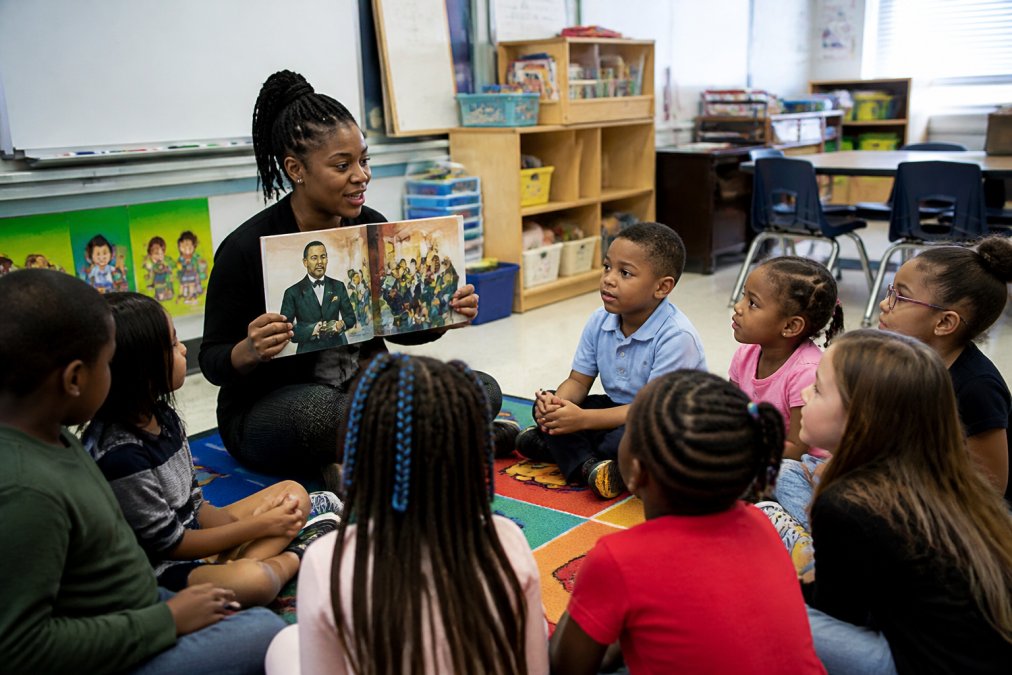
Mix formats across the month:
- Gallery walks with primary source stations
- Socratic seminars on civil rights speeches
- Collaborative research projects on local Black history
- Arts and humanities connections through music and visual art
Step 4: Use Black History Lesson Plan Templates to Save Time
Knowing how to create Black History Month 2026 lesson plans starts with templates that cut planning time without lowering quality. A good template covers objectives, materials, activities, and assessment in one page. Consistent structures provide the necessary foundation for managing lesson plans throughout the academic year while ensuring that historical narratives remain central to the curriculum.
Build a reusable template with these fields:
- Lesson title and grade level
- Learning objectives
- Primary sources and materials
- Warm-up question
- Main activity steps
- Assessment method
- Extension or homework
Step 5: Adapt Lessons for Different Grade Levels and Learning Needs
Differentiated instruction keeps every student in the room. The same topic can work for a first grader and a senior, but the materials, language, and expectations cannot be identical. This is the section most Black History Month guides skip, and it is where the real teaching skill lives.
| Grade Band | Source Type | Activity Focus | Assessment |
|---|---|---|---|
| K-2 | Picture books, photos | Story and art | Drawing, verbal sharing |
| 3-5 | Short primary sources | Group projects | Short written response |
| 6-8 | Speeches, letters | Debate, research | Essay or presentation |
| 9-12 | Full documents, data | Historical inquiry | Analytical paper |
Match the content to the developmental stage
Younger students can handle themes of fairness, courage, and community without graphic detail. Older students can engage with primary documents about violence, segregation, and resistance, but they still need framing, context, and choice. A useful rule of thumb: teach the concept at every grade level, but calibrate the evidence and the emotional weight.
Use trauma-informed practices
Some material covers violence, enslavement, and systemic racism. A trauma-informed approach does not avoid these topics; it prepares students for them.
- Preview before you teach. Tell students what the lesson covers and why it matters.
- Offer choice. Let students opt into alternative ways to engage with difficult material, such as reading a summary instead of viewing a graphic image.
- Build in breaks. A short pause or journaling moment gives students room to process.
- Avoid re-traumatization. Do not ask students to speak for a group or share personal family history on demand.
- Have a support plan. Know your school counselor's referral process and share it with students.
Assess inclusively
Traditional tests often measure recall, not understanding. Inclusive assessment strategies give students multiple ways to show what they learned:
- Choice boards with options like a timeline, a letter, a podcast, or a visual essay
- Portfolios that collect work across the unit
- Performance tasks such as a mock trial, a museum exhibit, or a community interview project
- Short conferences where students explain their reasoning
Make materials accessible to every learner
Digital accessibility is not optional. Add alt text to every image, caption every video, provide transcripts for audio, and check that PDFs are tagged and screen-reader friendly. Offer text at multiple reading levels and allow students to demonstrate learning in more than one format. These steps help students with disabilities and multilingual learners at the same time.
Step 6: Plan Black History Month Fundraising for Schools
Black History Month fundraising for schools can fund books, field trips, and classroom resources. The best programs keep the cultural focus front and center.
- Pick a product line that fits your community
- Set a clear goal and timeline
- Promote through church, school, and family networks
- Track sales weekly
Step 7: Review, Assess, and Extend Learning Beyond February
Ask students what they want to explore next. Their answers often point to the strongest lessons you'll teach all year.
Frequently Asked Questions
What is the theme for Black History Month in 2026?
The 2026 theme is 'A Century of Black History Commemorations,' according to the California Teachers Association. This theme invites students to reflect on how Black history has been celebrated and recognized over the past hundred years. When building your Black History Month lesson plans, use this theme as a framework for discussion, research projects, and reflective writing assignments that connect past commemorations to present-day relevance.
How can I integrate Black history into my curriculum year-round?
Move beyond February by weaving Black history into STEM, arts, and humanities units throughout the year. Elevate K-12 recommends connecting Black history to subjects beyond social studies, such as highlighting Black inventors in science class or African American musicians in music. Build a standing collection of primary sources and lesson plan templates you can pull from each month. This approach makes Black history a regular part of instruction rather than a standalone unit.
What are some fun ways to teach kids about Black history?
Interactive activities work best for younger students. Try trivia games with age-appropriate questions, collaborative art projects inspired by Black artists, or word search puzzles featuring civil rights leaders and cultural icons. The Black Heritage Trivia Game Cards from African American Expressions include 114 questions on pivotal moments and influential figures, making them a ready-made classroom activity. Pair games with short read-alouds and discussion to reinforce learning.
How do I plan Black History Month fundraising for schools?
Partner with a fundraising program that offers high commission rates and culturally relevant products. African American Expressions has run a fundraising program for over 34 years, letting schools earn 40% on every sale of items like calendars, canvas art, and activity books. Start by setting a fundraising goal, choosing products that align with your community, and promoting the sale through school newsletters and social media. This approach funds programs while celebrating Black heritage.
Creating lessons that honor Black history takes real planning, and the right materials make it easier. African American Expressions has supported schools and churches for over 34 years with culturally inspired gifts, stationery, and home decor, plus a fundraising program that pays 40% on every sale. Browse the collection, pick up classroom tools like the Black Heritage Trivia Game, and start fundraising today.