

Table of Contents
- Why Finding Genuine Black-Owned Businesses Matters in 2026
- Black-Owned Business Directories You Can Trust
- The Best Apps to Find Black-Owned Businesses Near You
- How to Verify Black-Owned Business Status Before You Buy
- Spotting Authentic Ownership vs Performative Marketing
- How Your Spending Builds Economic Power in Black Communities
- Beyond Shopping: Sustained Support for Black-Owned Brands
- Conclusion: Making Every Purchase Count
- Frequently Asked Questions
Last Updated: September 26, 2026
Why Finding Genuine Black-Owned Businesses Matters in 2026
The number of Black-owned employer businesses in the U.S. reached 200,885 in 2023, up from 124,004 in 2017, according to Black Executive Brief's 2026 growth report. That is a 62% jump in just six years, per the Brookings Institution. Knowing how to find authentic black owned businesses matters because that growth is real, and so is the risk of mislabeling.
Black-Owned Business Directories You Can Trust
The most reliable starting point is a directory that vets its listings. BuyBlack.org maintains a national directory of over 110,000 Black-owned businesses, per BuyBlack.org. Volume matters less than vetting, though. A smaller, checked list beats a huge, unchecked one.
National Directories With Verified Listings
- BuyBlack.org: 110,000+ listings, national reach
- Official Black Wall Street: app-first, city-based search
- Support Black Owned: searchable by category and location
Niche and Regional Directories Worth Bookmarking
- Local chambers of commerce with Black business councils
- City-specific directories run by community groups
- Industry directories for food, beauty, and professional services
A common mistake is trusting any single directory. Cross-check a business across two sources before you buy.
The Best Apps to Find Black-Owned Businesses Near You
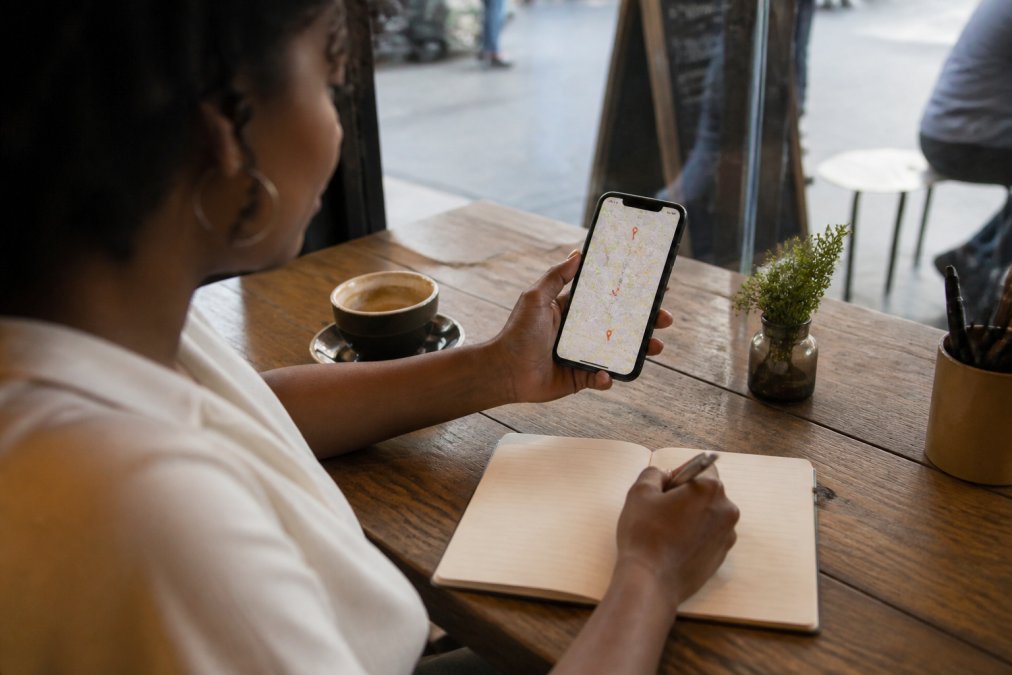
The best apps to find Black-owned businesses near you combine location search with verified listings. Official Black Wall Street and BuyBlack.org offer mobile search by city and category, and Google Search and Maps let you filter for the Black-owned attribute.
How to Verify Black-Owned Business Status Before You Buy
Verifying Black-owned business status means checking ownership records, certifications, or public statements, not just a badge. A 2026 report from the Fund for Social Impact suggests businesses labeled "Certified Black-Owned" see up to a 30% boost in consumer purchases, exactly why the label needs checking rather than trusting.
Step 1: Find the Named Owner
Look for a full name on the About page, the LLC filing, or the social profile. A logo, mission statement, and stock photo are not ownership disclosure. If no human is named anywhere, treat that as a yellow flag, many small businesses are simply bad at their About page.
Step 2: Pull the State Business Filing
Nearly every business registers with a state Secretary of State or equivalent office. Those records are usually free to search and list the registered agent, entity type, and often the officers. Match the named owner on the website to the filing. A mismatch is not automatically disqualifying, owners use holding companies and DBAs, but it is worth asking about.
Step 3: Confirm Any Certification Through the Issuing Body
This is the step almost no consumer guide explains. Certification is a credential issued by a specific organization against a specific standard. The major ones on Black-owned business listings include:
- NMSDC (National Minority Supplier Development Council), certifies minority-owned businesses, including Black-owned firms, through regional affiliates. Certification requires ownership documentation, and the business must be at least 51% minority-owned and operated.
- SBA 8(a) Business Development Program, a federal program for socially and economically disadvantaged small businesses, with ownership and control requirements verified by the Small Business Administration.
- State and local supplier diversity programs, many states, counties, and large cities run their own minority-owned business certification, often through a Department of Transportation or a general services office.
- Third-party directory certifications, some directories (like Official Black Wall Street and BuyBlack.org) run their own verification, but the standard varies by directory. Ask what the directory checks.
Step 4: Cross-Reference Two Independent Sources
A directory listing, a certification, and a state filing are three independent sources. When two of the three agree on the owner and the ownership stake, you have reasonable confidence. When only one does, keep digging.
Step 5: Ask Directly
A short email or DM, "Who owns the business, and is it certified anywhere?", is a fair question. Real owners answer plainly. Evasion or a copy-paste response that never names a person is the signal to walk away.
What Certification Programs Actually Confirm, and What They Don't
Certification programs confirm that a third party reviewed ownership and control documents against a published standard. NMSDC reviews ownership structure, the owner's role in operations, and demographic eligibility; the SBA's 8(a) program also reviews economic disadvantage and business development potential.
A Note on the 51% Threshold
Most certification standards, including NMSDC's, require the business to be at least 51% owned, managed, and controlled by the qualifying group. That is why "Black-founded" and "Black-owned" are not the same claim: a business can be founded by a Black entrepreneur who later sold a majority stake and still market itself as "Black-founded." When a listing says "founded" instead of "owned," ask.
Spotting Authentic Ownership vs Performative Marketing
Performative marketing borrows the language of support without the ownership behind it. The clearest test is disclosure: does the business name its owners and show real records? If a brand uses cultural imagery but hides who runs it, slow down.
ALL OCCASION ASSORTMENT BOX 13 - MAYA →
The Four Patterns of Performative Support
Most performative marketing falls into four patterns. Naming them makes them easier to catch.
The Sustainability Test
Performative support is a moment; authentic support is a structure. Three questions tell them apart:
- Does the commitment outlast the news cycle? A brand that has stocked Black-owned products, partnered with Black suppliers, or funded Black-led programs for multiple years is showing a pattern. A brand that started last quarter is showing a campaign.
- Is the support structural or promotional? Structural support shows up in supplier contracts, hiring, board seats, and revenue splits. Promotional support shows up in hashtags and limited-edition drops.
- Does the money stay in the community? A brand that routes a defined percentage of revenue to Black-led causes, or that sources from Black-owned suppliers, is moving money. A brand that only amplifies is moving attention.
A Red-Flag Table You Can Actually Use
| Red Flag | What It Looks Like | Better Sign |
|---|---|---|
| No named owner | About page only shows a logo | Owner named with a short bio |
| Badge with no issuer | "Black-owned" sticker, no source | Certification with a named body and a public directory entry |
| "Founded by" language | Origin story only, no current ownership | Current ownership disclosed and matching the state filing |
| Seasonal messaging | Black-owned content only in February or June | Year-round stocking, partnerships, and supplier relationships |
| Stock cultural imagery | Generic art, no community ties | Local events, real customers, named community partners |
| Vague sourcing | "Ethically made," no details | Named suppliers or partners, including Black-owned ones |
What to Do When You Find a Performative Claim
You do not need to launch a campaign. The most effective response is to stop spending there and redirect the dollars to a verified business. If you want to go further, a short, factual note, "Your site says Black-owned but does not name an owner or a certification; can you clarify?", is fair and often gets a real answer.
The 51% Rule in Practice
Most certification standards require at least 51% ownership, management, and control by the qualifying group. A business can have a Black CEO, a Black creative director, and a Black-majority staff and still not be Black-owned if the equity sits elsewhere. Ownership is the test, leadership and staffing are not substitutes, and marketing that conflates the two is a common form of performative framing.
How Your Spending Builds Economic Power in Black Communities
Your spending builds economic power when it stays inside a community. Black-owned firms' gross revenue rose 66% between 2017 and 2022, from $127.9 billion to $211.8 billion, per the Pew Research Center. Every verified purchase feeds that number.
Beyond Shopping: Sustained Support for Black-Owned Brands
Sustained support goes past a single purchase. It means repeat buying, referrals, and telling others which businesses you trust. Black or African American-owned firms made up 3.4% of U.S. employer businesses in fiscal year 2025, per GovSpend. Steady support helps that share grow.
Ways to go beyond a one-time buy:
- Subscribe to a newsletter or loyalty program
- Leave detailed, honest reviews
- Refer friends and family by name
- Attend local markets and pop-ups
- Share verified businesses in community groups
Conclusion: Making Every Purchase Count
The hard part is not finding a list. It is confirming the business you choose is genuinely Black-owned and worth your money, a few extra minutes of checking that pays off.
Frequently Asked Questions
How can I verify if a business is truly Black-owned?
Check for third-party certifications like those from the U.S. Small Business Administration's 8(a) program or the National Minority Supplier Development Council. Look for the business's ownership information on its website, LinkedIn, or state business registrations. Cross-reference with directories that verify ownership, such as BuyBlack.org, which lists over 110,000 businesses. If a business claims Black ownership but provides no proof, ask directly or look for community reviews. Authentic businesses are usually transparent about their founders and history.
What is the best app for finding Black-owned businesses?
There is no single best app, but several strong options exist. Official Black Wall Street and BuyBlack.org offer extensive directories with search filters. Google Maps now allows businesses to self-identify as Black-owned, making them searchable. Try a few and see which fits your needs. Many apps also include user reviews and verification badges to help you find authentic businesses.
Are there directories specifically for Black-owned businesses?
Yes, several directories focus exclusively on Black-owned businesses. BuyBlack.org maintains a national directory of over 110,000 businesses. Official Black Wall Street and Support Black Owned are also popular. Some directories are industry-specific, like African American Expressions for culturally inspired gifts. These directories often verify ownership, making it easier to find authentic businesses. Always cross-check with other sources to ensure accuracy.
How do I avoid performative support when shopping Black-owned?
Performative support often involves one-time purchases or marketing without real commitment. To avoid it, build ongoing relationships with Black-owned businesses, recommend them to friends, and leave positive reviews. Look for businesses that are transparent about their ownership and community involvement. Avoid brands that use Black culture as a marketing trend without substantive action. Support businesses that reinvest in their communities, like African American Expressions, which has generated millions for schools and churches through its fundraising program.