

Last Updated: October 23, 2026
Quick Summary
Modern heritage interior design merges authentic historical character with clean, functional aesthetics, honoring cultural identity and traditional craftsmanship while rejecting unnecessary ornamentation. It offers a third path between museum-like period rooms and sterile modern apartments, creating spaces that breathe, function beautifully, and carry cultural weight simultaneously.
- Modern heritage design rests on three principles: authenticity through genuine materials, simplicity that serves function, and cultural storytelling central to your identity.
- The style differs from traditional design by editing heavily and from contemporary design by preserving warmth and storytelling through heritage elements.
- Natural materials like solid wood, brick, stone, and real textiles are non-negotiable and develop patina and character over time.
- Successful mixing requires a clear visual hierarchy with one or two heritage statement pieces built around with modern furnishings in complementary colors and materials.
- Common mistakes include recreating full period rooms, mixing too many heritage traditions, using deceptive reproductions, and sacrificing function for aesthetics.
Table of Contents
- What Is Modern Heritage Interior Design?
- Modern Traditional Interior Design: Finding the Balance
- Color Palettes and Paint Choices for Modern Heritage Interiors
- Materials, Finishes, and Textures That Define the Style
- Mixing Modern and Traditional Furniture for Cohesive Spaces
- Heritage Home Decor Ideas for Every Room
- Common Mistakes to Avoid in Modern Heritage Design
- Bringing Modern Heritage Into Your Home: A Practical Framework
- Frequently Asked Questions
What Is Modern Heritage Interior Design?
Modern heritage interior design is a contemporary design movement that merges authentic historical character with clean, functional aesthetics. It honors cultural identity and traditional craftsmanship while rejecting unnecessary ornamentation in favor of simplified forms and purposeful spaces.
The style has gained traction as homeowners seek meaningful interiors that reflect their heritage and values. Rather than choosing between a museum-like period room or a sterile modern apartment, modern heritage offers a third path: spaces that breathe, function beautifully, and carry cultural weight simultaneously.
The Core Principles
Modern heritage design rests on three foundational ideas. First, authenticity matters. Genuine materials, real craftsmanship, and honest construction take priority over mass-produced reproductions. Second, simplicity serves function. Every piece earns its place, no clutter, no excess ornamentation for its own sake. Third, cultural storytelling is central.
According to research on heritage-inspired strategies in interior design, spaces that preserve cultural identity through design create stronger emotional connections to home. The balance between tradition and modernity isn't about compromise, it's about clarity.
How Modern Heritage Differs From Contemporary and Traditional Styles
Traditional design leans heavily into period-specific details: ornate moldings, heavy drapery, elaborate patterns, and historical accuracy as the primary goal.
Modern heritage sits between them. It borrows the warmth and storytelling of traditional interiors but applies the editing discipline of contemporary design.
The real difference: traditional design asks "What does this period look like?" Contemporary asks "What can I remove?" Modern heritage asks "What story do I want to tell, and what's the simplest, most honest way to tell it?"
Modern Traditional Interior Design: Finding the Balance
Blending modern and traditional requires intentional decision-making at every step. Start by identifying which heritage elements matter most to you, architectural features, family pieces, cultural symbols, or material choices.
The balance works when each piece serves a purpose beyond decoration. A vintage textile becomes wall art. Original hardwood floors remain exposed rather than covered.
One practical approach: treat your space like a gallery rather than a showroom. Curate carefully. Leave breathing room. Let silence between objects speak as loudly as the objects themselves.
Color Palettes and Paint Choices for Modern Heritage Interiors
Modern heritage color schemes emphasize muted, natural tones that don't compete with textures and materials. Think warm grays, soft ochres, deep charcoals, and earthy browns, colors that exist in nature rather than in a paint manufacturer's fantasy catalog.
According to Good Housekeeping's 2026 design style guide, the heritage palette pairs natural materials with restraint. Warm neutrals create cohesion without monotony.
Avoid high-contrast or trendy colors. Modern heritage design ages gracefully because it doesn't chase fashion. Your walls should complement wood tones, brick, stone, and textiles rather than compete with them.
Materials, Finishes, and Textures That Define the Style
Natural Materials and Authentic Heritage Features
Real materials are non-negotiable in modern heritage design. Solid wood, not veneer. Brick and stone, not faux finishes. Raw linen, wool, and leather rather than synthetic blends.
Natural materials also perform better functionally. Wood expands and contracts with seasons, creating subtle movement. Stone and brick regulate humidity. Wool resists staining and wears evenly.
Finishes matter equally. Matte and satin surfaces feel more authentic than high gloss. Unfinished or lightly finished wood shows grain and natural variation. Hardware should be substantial and honest, brass, iron, or bronze rather than shiny chrome.
Heritage-Inspired Reproductions Versus Authentic Pieces
The market offers a spectrum from fully authentic heritage pieces to modern reproductions inspired by heritage aesthetics. Authentic pieces carry genuine history, real wear patterns, and the craftsmanship of their era.
For your home, the answer depends on your budget and priorities. Authentic heritage furniture and architectural elements become focal points, invest here.
The key distinction: authentic pieces show their age truthfully. Reproductions should be clearly contemporary, not pretending to be something they're not.
Mixing Modern and Traditional Furniture for Cohesive Spaces
Successful mixing requires a clear visual hierarchy.
The modern pieces should echo the color and material palette of the heritage elements. If your heritage pieces feature warm wood tones, choose modern furniture in complementary neutrals or similar wood finishes.
Become a part of our AAE family and start fundraising today! →
Proportion and scale matter. Mix oversized heritage pieces with smaller, more delicate modern furniture to create visual interest. A large traditional mirror above a simplified console table.
Heritage Home Decor Ideas for Every Room
Living Room and Entryway Designs
Your living room sets the tone for the entire home. Start with one substantial heritage piece, a wooden bookcase, a traditional sofa with updated upholstery, or an authentic area rug with cultural significance.
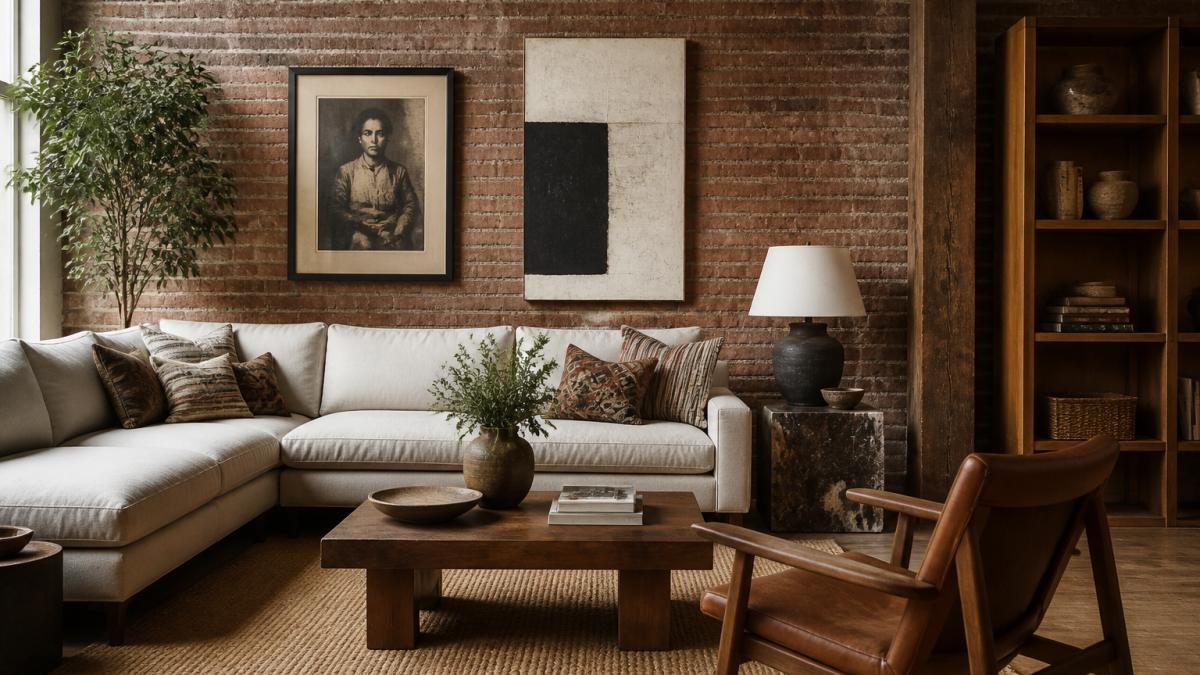
Entryways benefit from a heritage focal point like a statement mirror or textile. Pair it with minimal modern furnishings, a simple bench, clean-lined console, or contemporary artwork. The entry should feel intentional, not crowded.
Bedroom and Dining Room Applications
Bedrooms work well with heritage textiles, quilts, traditional patterns, or culturally significant fabrics, paired with a modern bed frame and minimal additional furniture. The focus stays on rest and simplicity. A single heritage textile becomes the design anchor; everything else supports it quietly.
Dining rooms can accommodate more visual richness. A heritage table becomes the centerpiece, surrounded by modern chairs. Traditional dishware displayed on open shelving or a modern sideboard. A single piece of heritage artwork or textile on one wall. The space feels gathered and intentional without overwhelming.
Common Mistakes to Avoid in Modern Heritage Design
The most common error is trying to honor heritage by recreating period rooms. This isn't modern heritage, it's traditional design. Modern heritage requires editing. Remove what doesn't serve you.
Another frequent mistake is mixing too many different heritage traditions or styles.
Avoid reproductions that pretend to be authentic or materials that fake their origins. A modern piece designed honestly in the spirit of heritage works. A fake-distressed item trying to deceive you does not.
Finally, don't sacrifice function for aesthetics. Modern heritage design must work for how you actually live.
Bringing Modern Heritage Into Your Home: A Practical Framework
| Step | Focus | Outcome |
|---|---|---|
| 1. Architectural Elements | Identify original or period-appropriate details to preserve or restore | Foundation for the entire design |
| 2. Heritage Pieces and Finishes | Layer in authentic or quality reproduction furniture and materials | Visual and emotional anchors |
| 3. Clean Lines and Contemporary Accents | Balance with modern furnishings and minimal ornamentation | Cohesive, functional space |
Step 1: Start With Architectural Elements and Ornamentation
Before buying a single piece of furniture, assess your space's bones. Original hardwood floors, brick walls, crown molding, or period-appropriate windows become your design foundation. These elements don't need to be hidden, they should be celebrated and restored if necessary.
If your space lacks architectural character, you can introduce it through honest means. Exposed brick, reclaimed wood wall treatments, or period-appropriate trim can be added without fakery. The key is authenticity in execution. Avoid anything that pretends to be something it isn't.
Step 2: Layer in Heritage Pieces and Finishes
Once your architectural foundation is set, introduce heritage furniture and materials. Start with one or two substantial pieces, a dining table, a credenza, or an upholstered chair with traditional proportions. Choose items in solid materials with honest construction.
Add textiles next: a heritage rug, cultural textiles as wall hangings, or traditional bedding. These soften the space and introduce pattern and color in a controlled way. Finish with smaller heritage objects, artwork, ceramics, or family pieces, displayed thoughtfully rather than crowded.
Step 3: Balance With Clean Lines and Contemporary Accents
Fill remaining space with modern furnishings that have clean lines and minimal detail. A simple sofa, simplified shelving, contemporary lighting. These pieces provide visual rest and prevent the space from feeling cluttered or museum-like.
Modern accents also serve practical purposes: contemporary storage solutions keep heritage pieces visible and organized, modern lighting highlights architectural details and artwork, and simple furniture allows heritage elements to remain the focal point.
At African American Expressions, we understand that modern heritage design celebrates cultural identity while creating functional, beautiful homes.
Bringing modern heritage into your home transforms it from a place to live into a space that reflects your values and history. Explore how to decorate a home with cultural heritage items to deepen your approach and create spaces that celebrate your heritage with intention and clarity.
Frequently Asked Questions
What is modern heritage interior design?
Modern heritage interior design combines traditional craftsmanship, authentic period details, and cultural character with clean contemporary lines and functional design principles. The style honors historical and cultural heritage through materials like solid wood, brick, and stone while maintaining a streamlined, clutter-free aesthetic. It creates spaces that feel warm and intentional rather than either purely nostalgic or sterile.
How do you mix modern and traditional furniture in one room?
Start by choosing a dominant style (either modern or traditional) as your anchor, then introduce pieces from the other style in smaller proportions. Pair a heritage-inspired wooden cabinet with contemporary seating, or combine mid-century modern furniture with ornate architectural elements. Use a cohesive color palette and consistent finishes to tie pieces together. The key is intentional placement, group complementary pieces rather than scattering mismatched items throughout the space.
What colors work best in a modern heritage interior?
Modern heritage interiors thrive with muted, heritage-inspired color palettes including warm neutrals, soft earth tones, and subdued jewel tones. Think warm grays, creams, terracottas, deep greens, and navy blues rather than bright or saturated colors. These palettes create visual warmth while maintaining the clean, refined aesthetic the style demands. Accent walls or heritage-inspired artwork can introduce deeper colors without overwhelming the space.
What materials and finishes create an authentic modern heritage look?
Use natural, tactile materials such as solid wood, natural stone, brick, and plaster to build authenticity. Look for finishes that show age and character, distressed wood, hand-applied textures, and matte surfaces rather than high-gloss. The combination of genuine and inspired pieces creates visual interest while maintaining functionality and durability.
How can you add heritage character to a contemporary home?
Begin with architectural elements like crown molding, exposed brick, or period-appropriate hardware that anchor the space in history. Layer in heritage pieces gradually, a vintage mirror, reclaimed wood shelving, or culturally significant artwork. Use finishes and materials that signal heritage, such as natural wood versus laminate, or stone versus tile. Focus on intentional storytelling through decor rather than filling the space; every piece should reflect the heritage narrative you're creating.
What furniture silhouettes work well in modern heritage interiors?
Furniture with clean lines and simple silhouettes forms the modern foundation, while pieces with visible joinery, turned legs, or ornate details add heritage character. Mid-century modern pieces often bridge both styles naturally. Look for straight lines over curves, streamlined forms over ornate flourishes, and functional design that avoids unnecessary embellishment. The best pieces combine both qualities, think a wooden table with traditional construction but contemporary proportions.
How do you prevent a modern heritage room from feeling cluttered?
Embrace intentional living by selecting fewer, higher-quality pieces rather than filling every surface. Use negative space deliberately to let architectural elements and key heritage pieces breathe. Organize items by function and display, keeping surfaces clear except for meaningful decor. Group heritage pieces together rather than scattering them, and maintain a consistent color palette throughout. This approach honors the cultural and historical significance of your decor while keeping the space feeling refined and accessible.
